

Industry Insights
Stay up-to-date with the latest news and developments
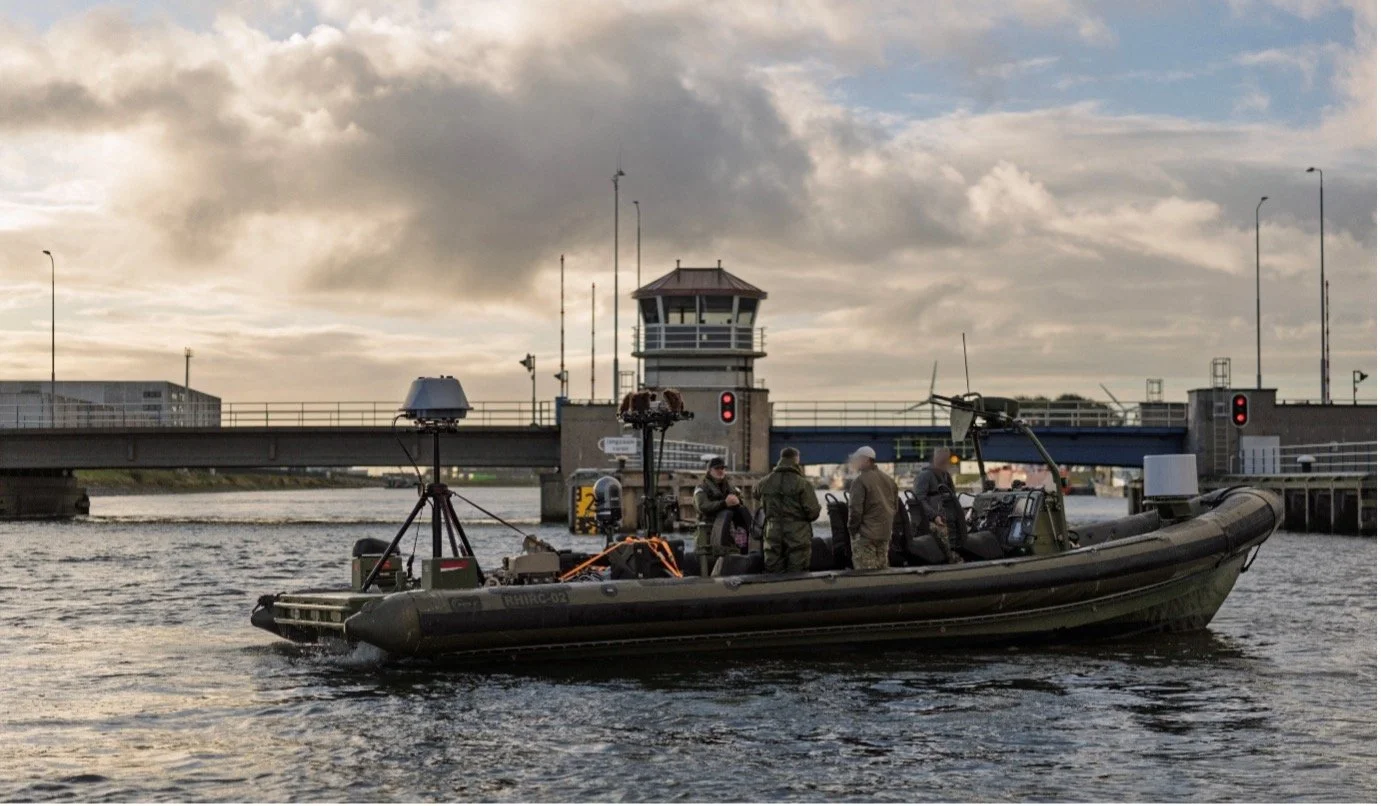
What Passive Detection Brings to Modern Counter-Drone Operations
Passive RF drone detection identifies, classifies and geolocates UAS, including the ground control station, without transmitting signals. Unable to be detected or located through conventional means, it provides persistent, low-signature awareness and valuable signal intelligence across fixed, mobile and maritime environments. Integrated into a layered C-UAS architecture, it forms a foundational detection layer for modern counter-drone operations
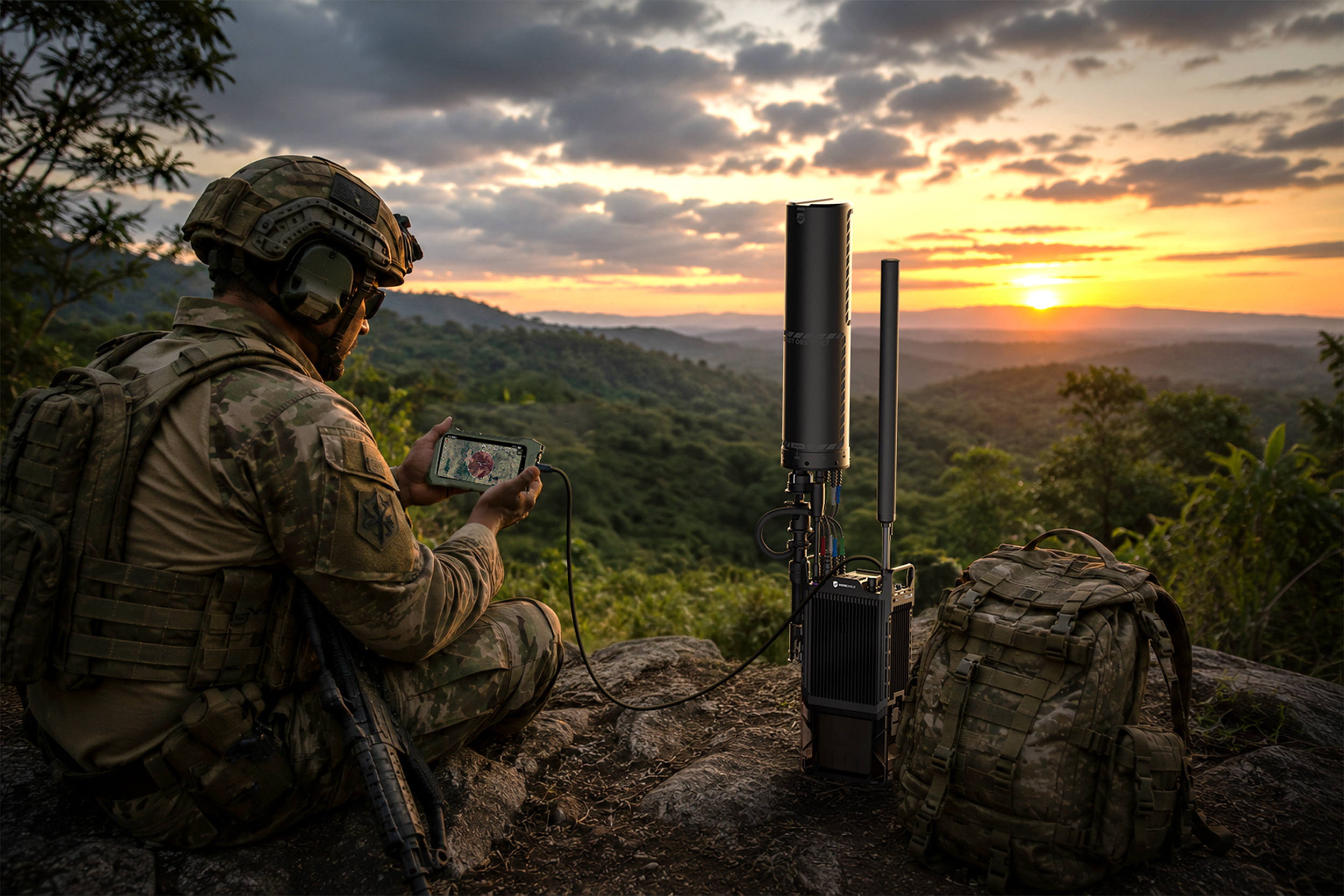
Why Ultra-Wideband Capability Is Vital for Countering Evasive Drones
The threat spectrum is no longer predictable. Adversaries use frequency hopping and software-defined radio to operate in gaps that narrowband systems can't see. Here's what ultra-wideband drone detection changes.

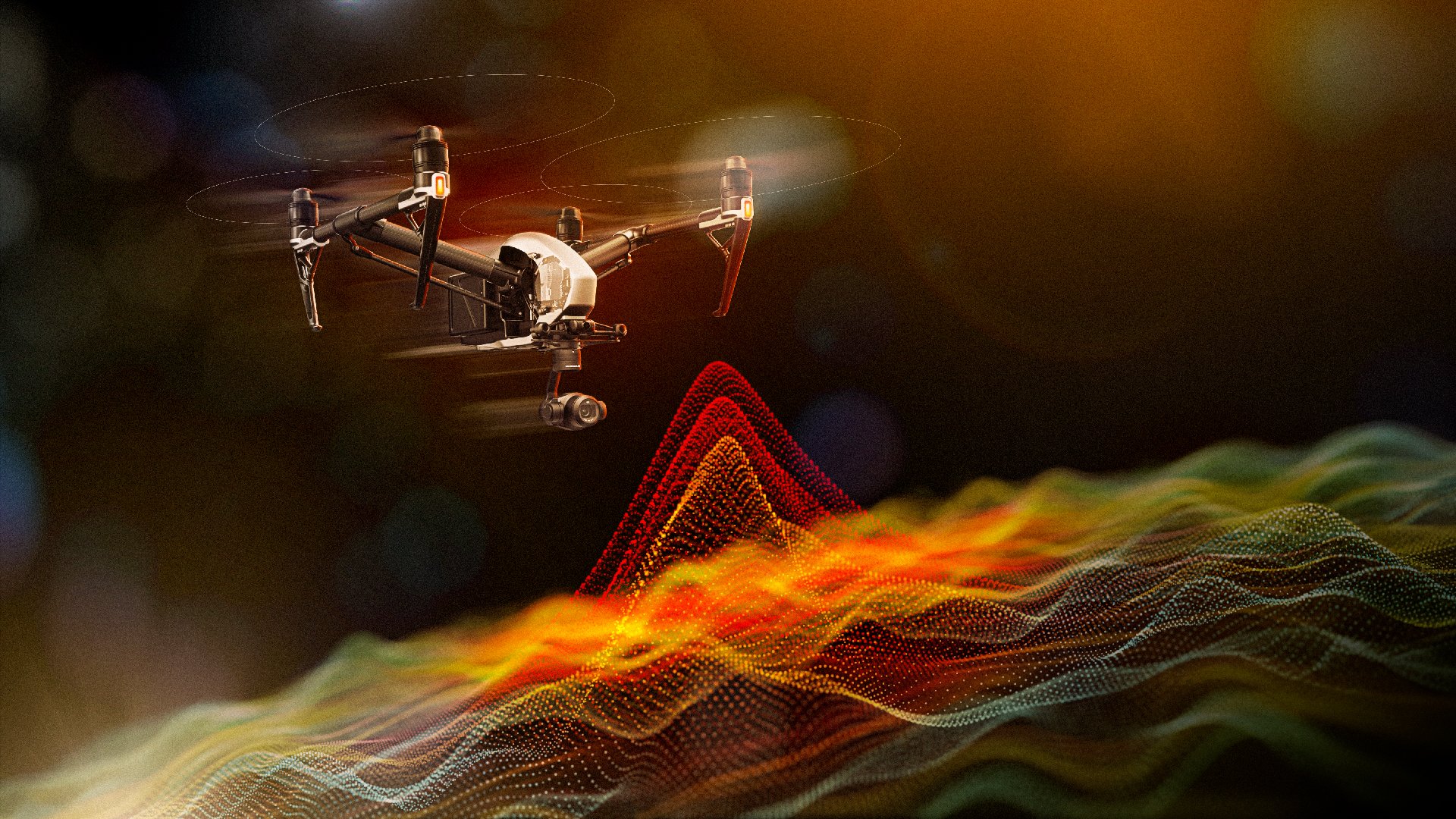
Critical Infrastructure Now Requires Three-Dimensional Security
Critical infrastructure has an airspace visibility gap. Drones can easily bypass ground-based security to survey, disrupt, and deliver payloads. Closing it requires passive RF detection, sensor fusion across RF, radar, and EO/IR, and pre-established drone defeat authority.
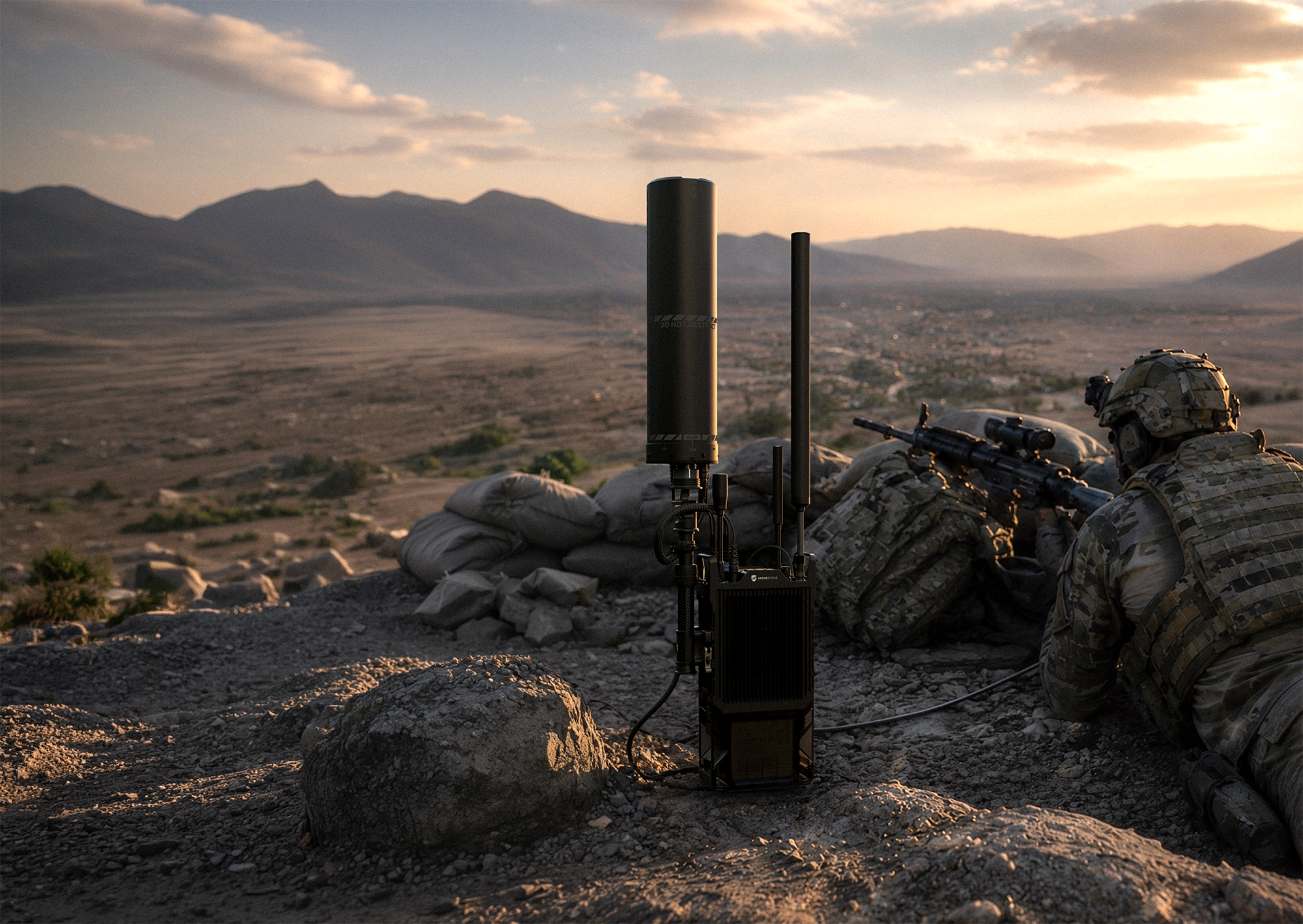
Modern Military Installations Demand Persistent RF Awareness
Modern drone threats have made the distinction between forward and rear operating areas obsolete. Persistent and passive ultra-wideband RF detection identifies drone presence from power-on, delivers line of bearing without a pre-loaded signal library, and provides the earliest actionable indicator in a layered C-UAS architecture. Periodic monitoring creates exploitable gaps. Persistent monitoring eliminates them.

Australia is a World Leader in Counter-Drone Tech Because We Think Globally
DroneShield’s global leadership is driven by innovation, international partnerships, and commitment to Australian manufacturing, with 91% of 2024 revenue from overseas customers supporting national and global security.
SensorFusionAI: Shaping the Future of Defence Strategy
DroneShield’s SensorFusionAI integrates diverse sensor data with advanced algorithms to improve threat assessment, reduce false alarms, and enhance real-time decision-making for the Australian Defence Force.

Frontline Lessons from Ukraine: Why Australia Must Prepare for the Drone Age
HE Vasyl Myroshnychenko, Ukraine’s Ambassador to Australia, stresses the urgent need for Australia to bolster defences against drone warfare by adopting advanced detection and mitigation technologies, drawing on Ukraine’s experience and advocating international cooperation.

DroneShield – Global Leader in ‘Micro-AI’
In a world where ‘AI’ is a buzzword, DroneShield believes focusing on Micro-AI is the right approach for C-UAS. It is redefining edge computing by handling mission-critical tasks without bulky infrastructure or massive power consumption.

Enterprise approach enables C2 counter-UAS for nationwide security
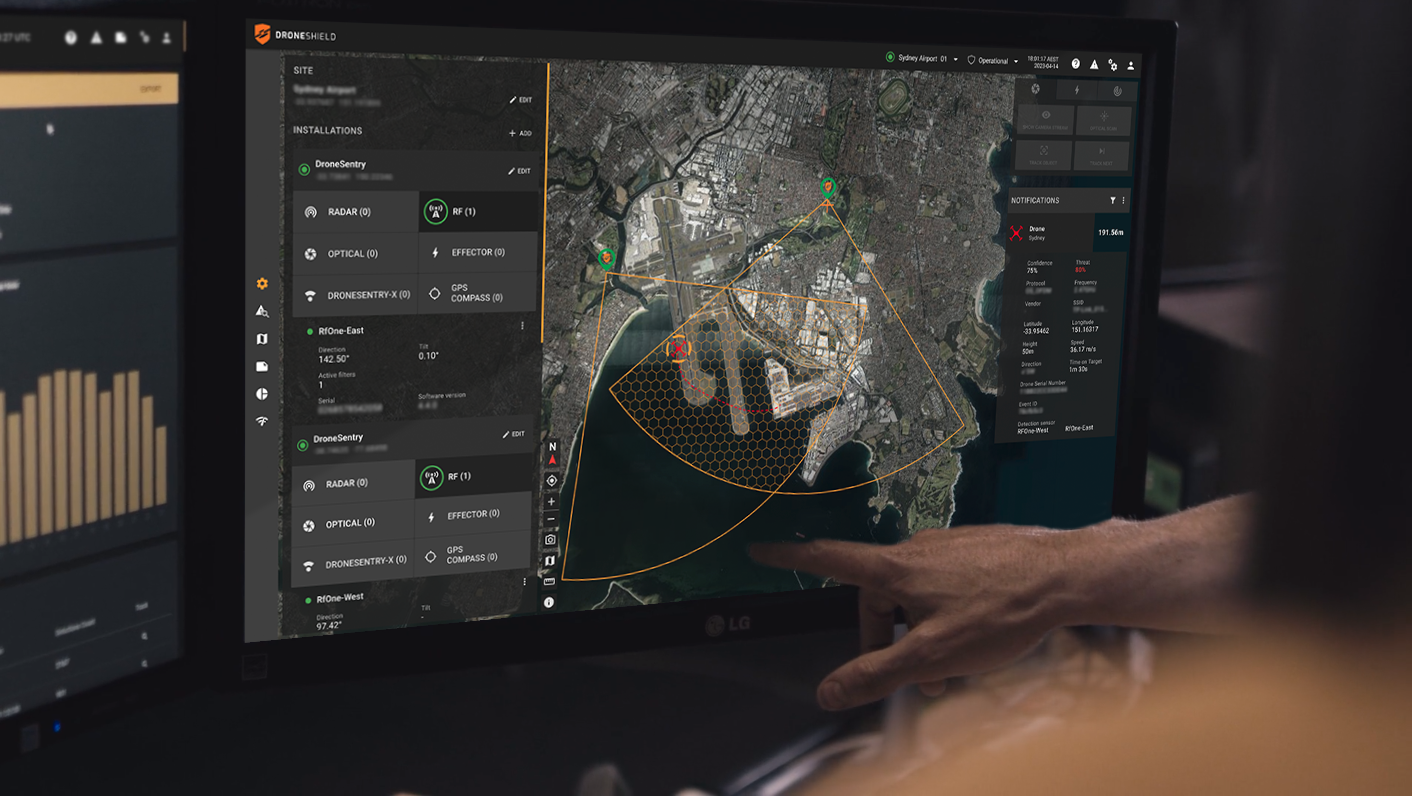
DroneShield provides its DroneSentry-C2 ‘enterprise’ command-and-control system to military and civilian users around the world, both in its flagship DroneSentry-C2 format, and the tactical, field commander based, DroneSentry-C2 Tactical.

What is the Best Drone Defeat Technique?
What technique best defeats rogue drones? This question has surged into importance as threats from drones—becoming more and more capable and accessible—continue to increase dramatically.

Counter-UAS: Going Beyond “Selling Boxes”
Small drones or small unmanned aerial systems (sUAS) moved from a novelty to an everyday presence over the past decade across civilian day-to-day life