

Industry Insights
Stay up-to-date with the latest news and developments
How ADS-B and AIS Illuminate the Full Counter-Drone Picture
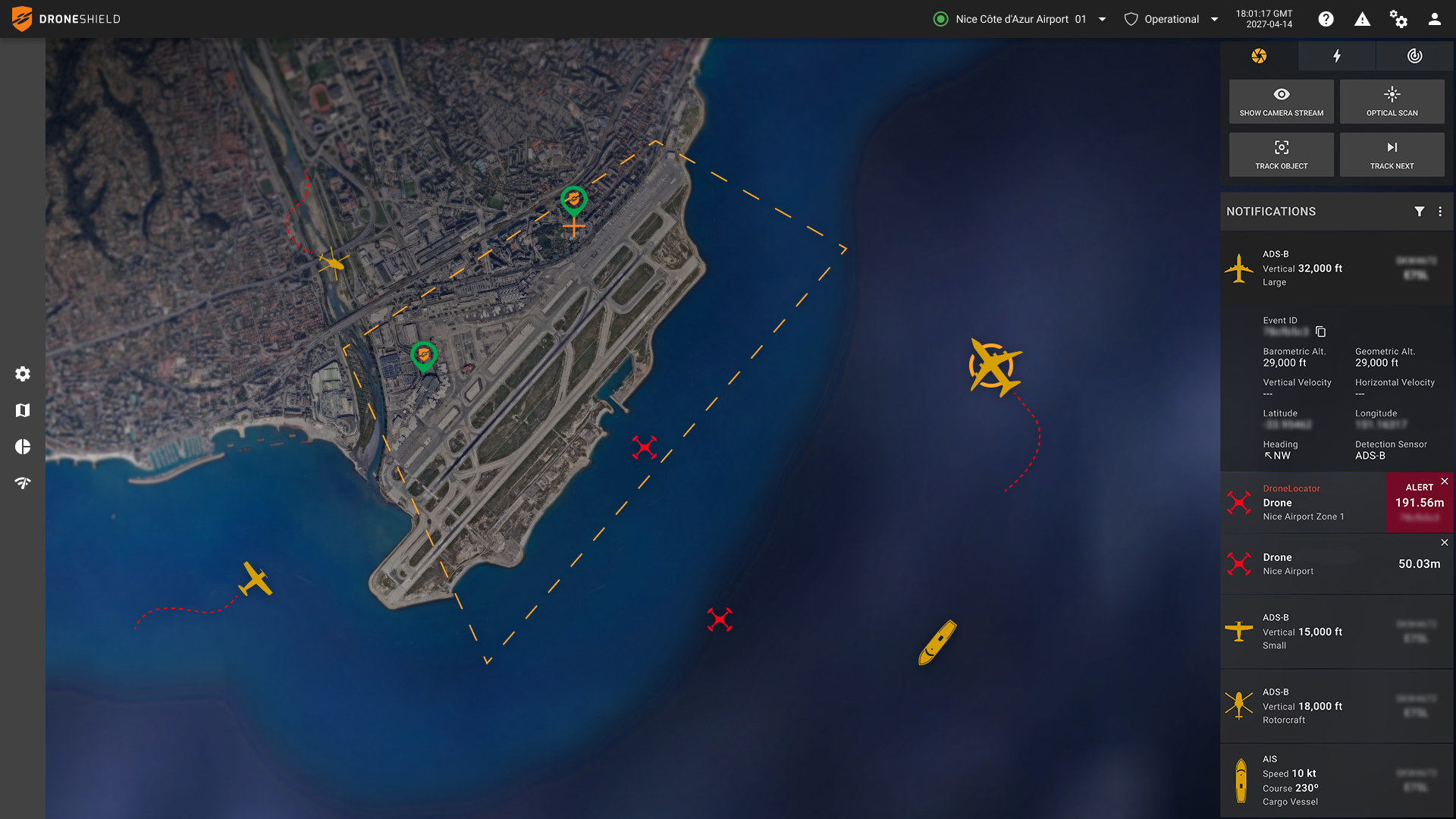
Legitimate aircraft and vessels broadcast constantly. RfRecon uses ADS-B and AIS to filter that traffic out automatically, so operators see the one signal that actually matters.

Looking Toward LA28: The Future of Drone Security for Large-Scale Events
FIFA 2026 highlighted a new reality for event security: the perimeter now extends into the airspace above the venue. As LA28 introduces air taxis alongside drones, helicopters, and public safety operations, security teams will need layered counter-drone capabilities, comprehensive airspace awareness, and coordinated response frameworks to distinguish legitimate activity from genuine threats.
What Passive Detection Brings to Modern Counter-Drone Operations
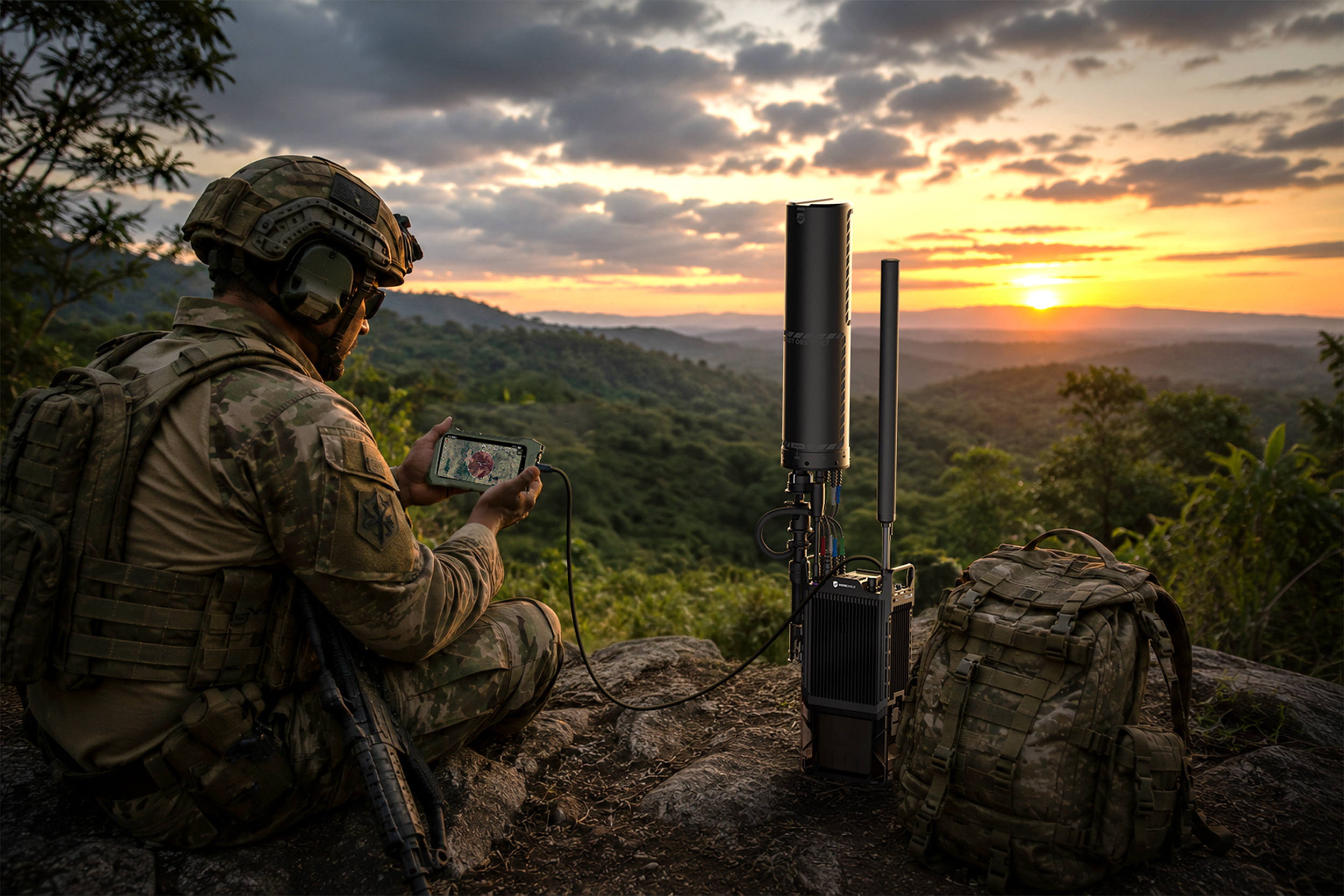
Passive RF drone detection identifies, classifies and geolocates UAS, including the ground control station, without transmitting signals. Unable to be detected or located through conventional means, it provides persistent, low-signature awareness and valuable signal intelligence across fixed, mobile and maritime environments. Integrated into a layered C-UAS architecture, it forms a foundational detection layer for modern counter-drone operations
Why Ultra-Wideband Capability Is Vital for Countering Evasive Drones
The threat spectrum is no longer predictable. Adversaries use frequency hopping and software-defined radio to operate in gaps that narrowband systems can't see. Here's what ultra-wideband drone detection changes.

Critical Infrastructure Now Requires Three-Dimensional Security
Critical infrastructure has an airspace visibility gap. Drones can easily bypass ground-based security to survey, disrupt, and deliver payloads. Closing it requires passive RF detection, sensor fusion across RF, radar, and EO/IR, and pre-established drone defeat authority.
Modern Military Installations Demand Persistent RF Awareness
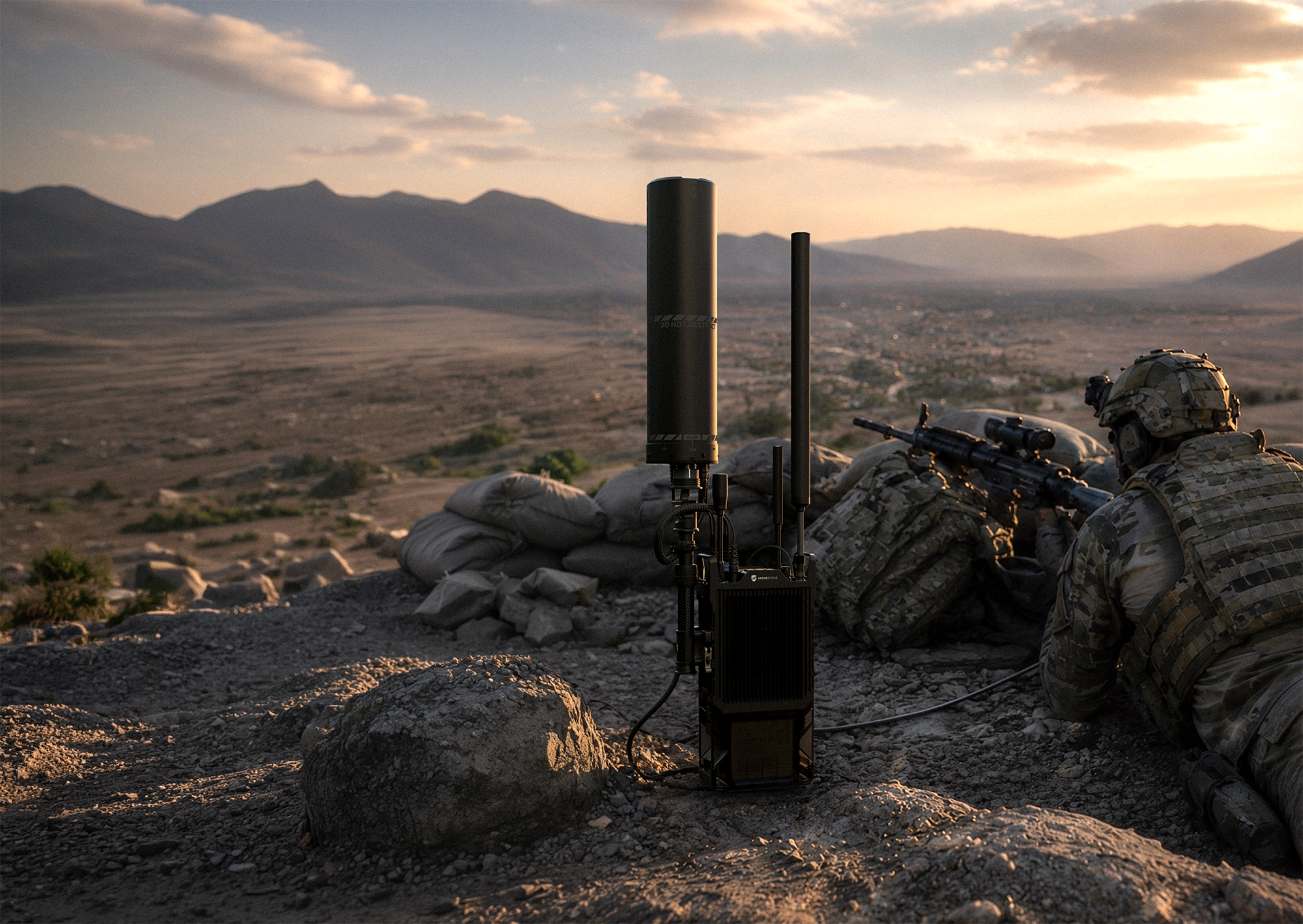
Modern drone threats have made the distinction between forward and rear operating areas obsolete. Persistent and passive ultra-wideband RF detection identifies drone presence from power-on, delivers line of bearing without a pre-loaded signal library, and provides the earliest actionable indicator in a layered C-UAS architecture. Periodic monitoring creates exploitable gaps. Persistent monitoring eliminates them.
Airspace Security During The FIFA World Cup™
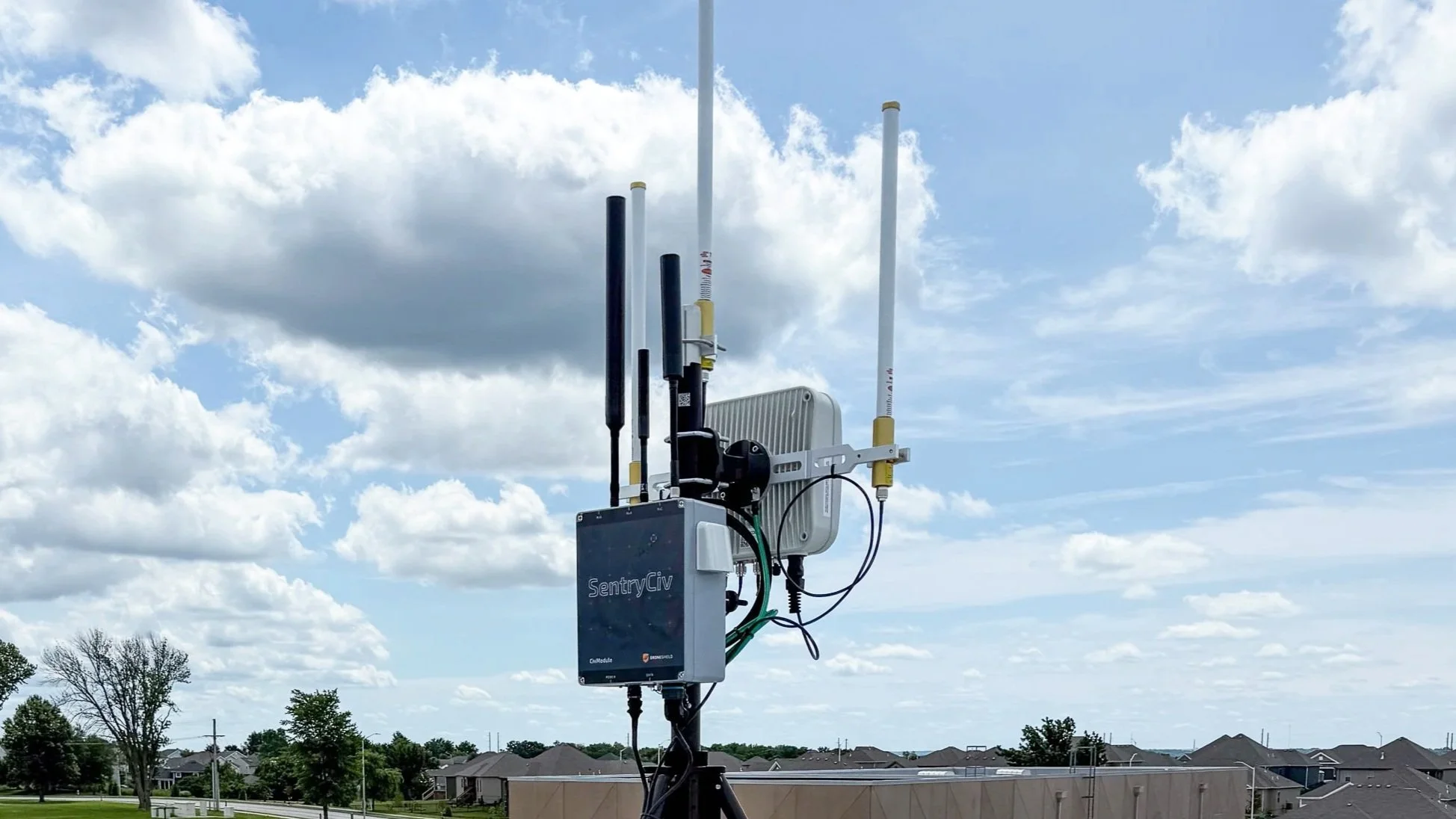
How a layered counter-UAS architecture helped protect FIFA World Cup™ operations across Kansas City.

RfAI-3: The Detection Engine That Finally Broke Free of the Catalog
RfAI-3 is DroneShield's third-generation AI detection engine. Where prior generations matched signals against cataloged emitters, RfAI-3 senses unknown drones without catalog dependency, analyzing RF signatures for anomalies characteristic of UAS operation across frequencies up to 7.2 GHz. The unknown is now detectable.

The Evolution of the Shahed Threat
The Shahed-136 threat has evolved from a single drone platform into a variable system with flexible navigation and communications. This reduces the effectiveness of standalone RF or GNSS disruption and requires counter-UAS systems to adopt layered architectures combining sensor fusion, command-and-control, and kinetic interceptors. Interoperability across sensors and effectors is now critical for timely detection and reliable engagement.
The Future of Counter-UAS Will Be Defined by Interoperability
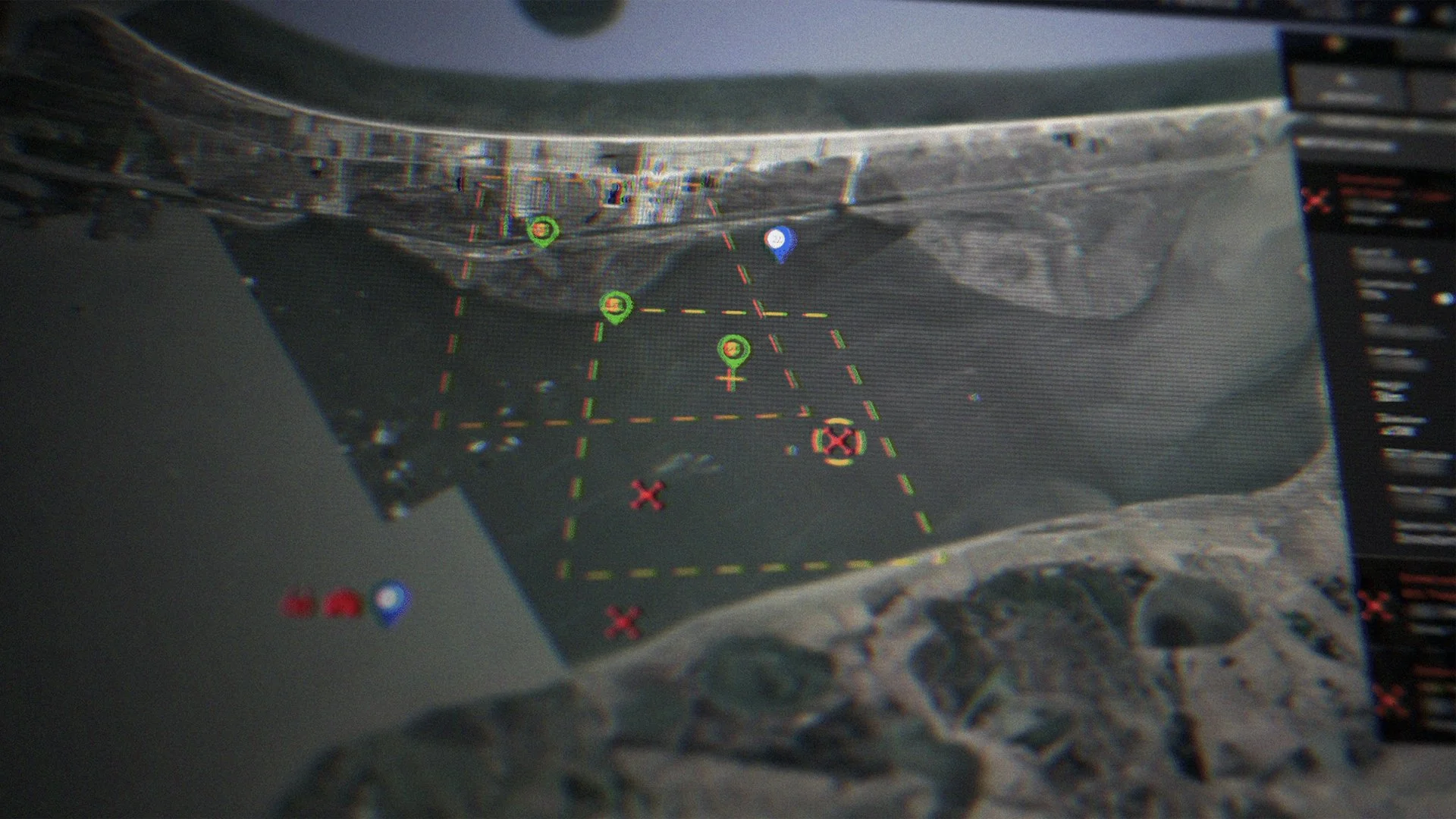
As drone threats evolve across military, critical infrastructure, airport, and public safety environments, interoperability and standards-based counter-UAS ecosystems are emerging as critical requirements for modern airspace security operations.

How Readiness 2030 Revived Defence Investment
Europe is entering its most significant defence investment cycle in a generation. 'Readiness 2030' is mobilising up to €800 billion in defence investment to close long-standing readiness gaps, reshaping the market and redefining which companies are built for what's coming.


Airspace Security: An Interpretative Era Unfolds
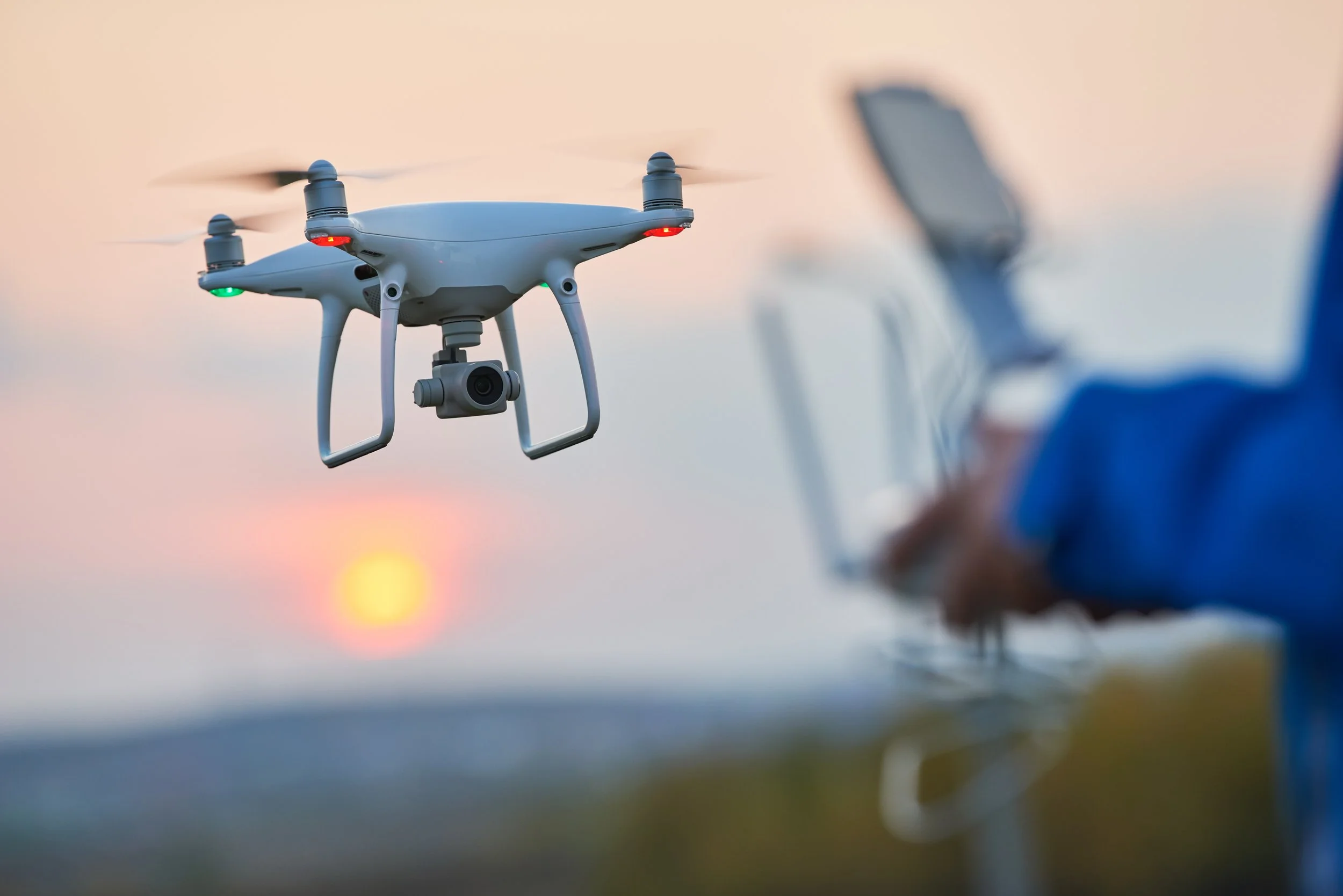
Airspace security has moved from the realm of detection to interpretation. Learn about the new era of CUAS technology with SensorFusion and RfAI, as defined by DroneShield.
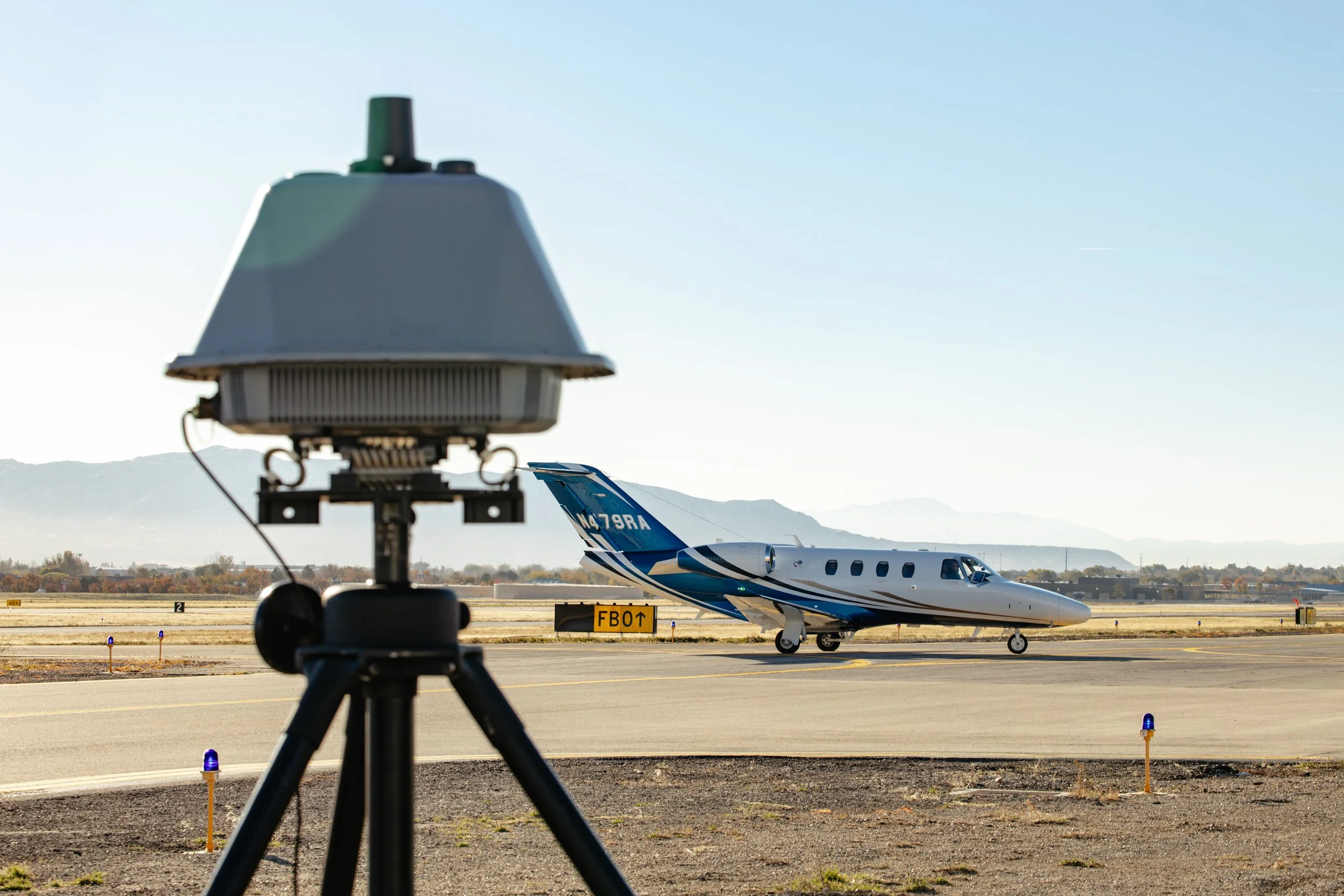
Growth of the Civil CUAS Sector
With the war in Ukraine entering its fifth year, as well as other heightened geopolitical activities around the world, it is entirely understandable that awareness of drones has largely focused on warzones and military conflicts.
The Year Ahead Will Not Reward Reaction. It Will Expose It.
Reaction-based counter-drone approaches are increasingly exposed. Learn why RFAI defines readiness in modern airspace security.
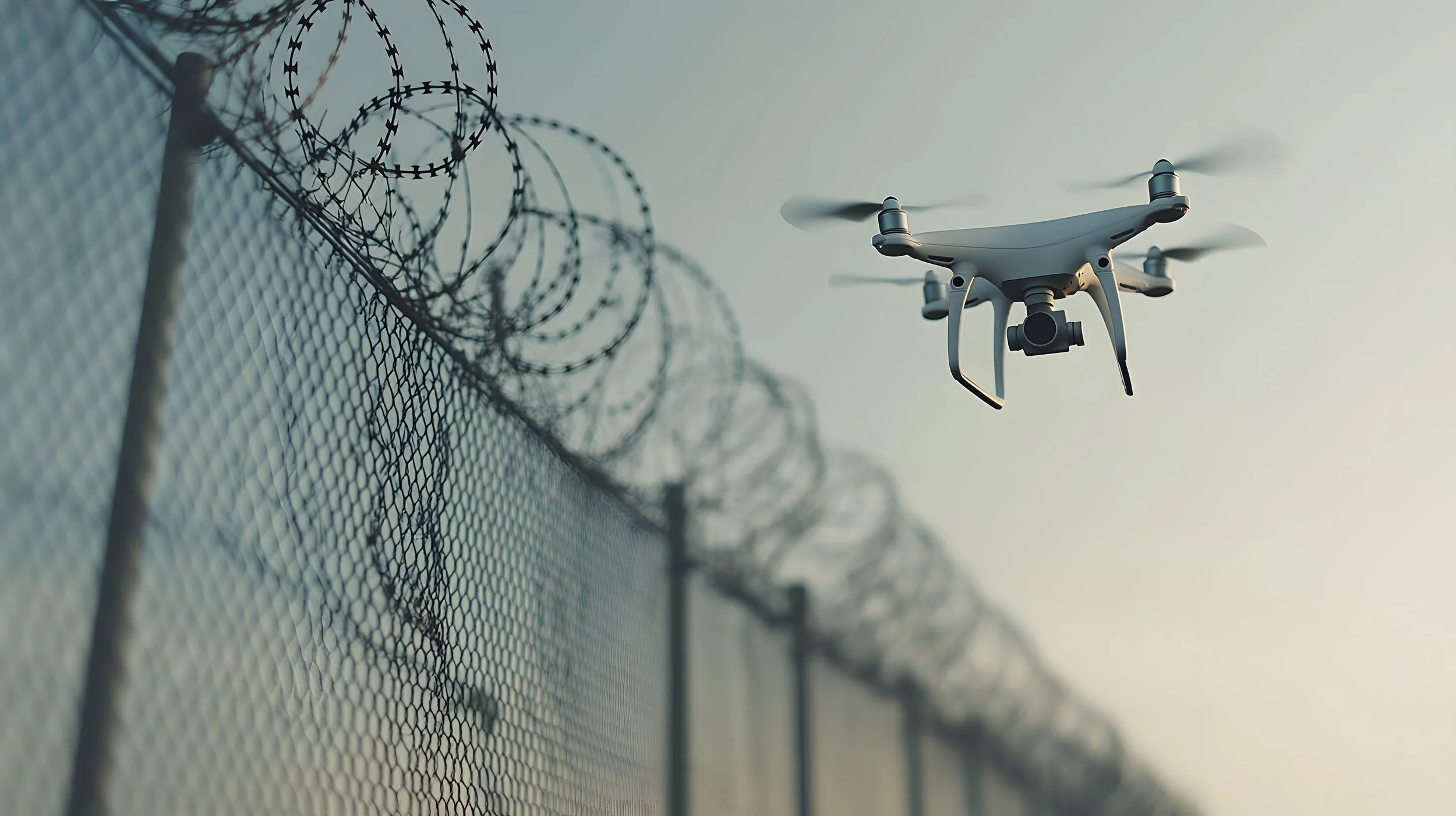
The End of Edges: How Drones Broke the Geometry of Defense
As drones erase borders and compress decision time, traditional defense models fall short. Security must adapt to a world without edges.

Safeguarding Energy Infrastructure from Drone Intrusions
The energy sector faces a new and imminent challenge, the proliferation and fast-growing evolution of drone technology. Without sufficient safeguards in place, the energy sector will remain vulnerable to the malicious consequences of drone misuse. The only solution is incorporating a layered counter-UAS approach to situational awareness and response preparedness.
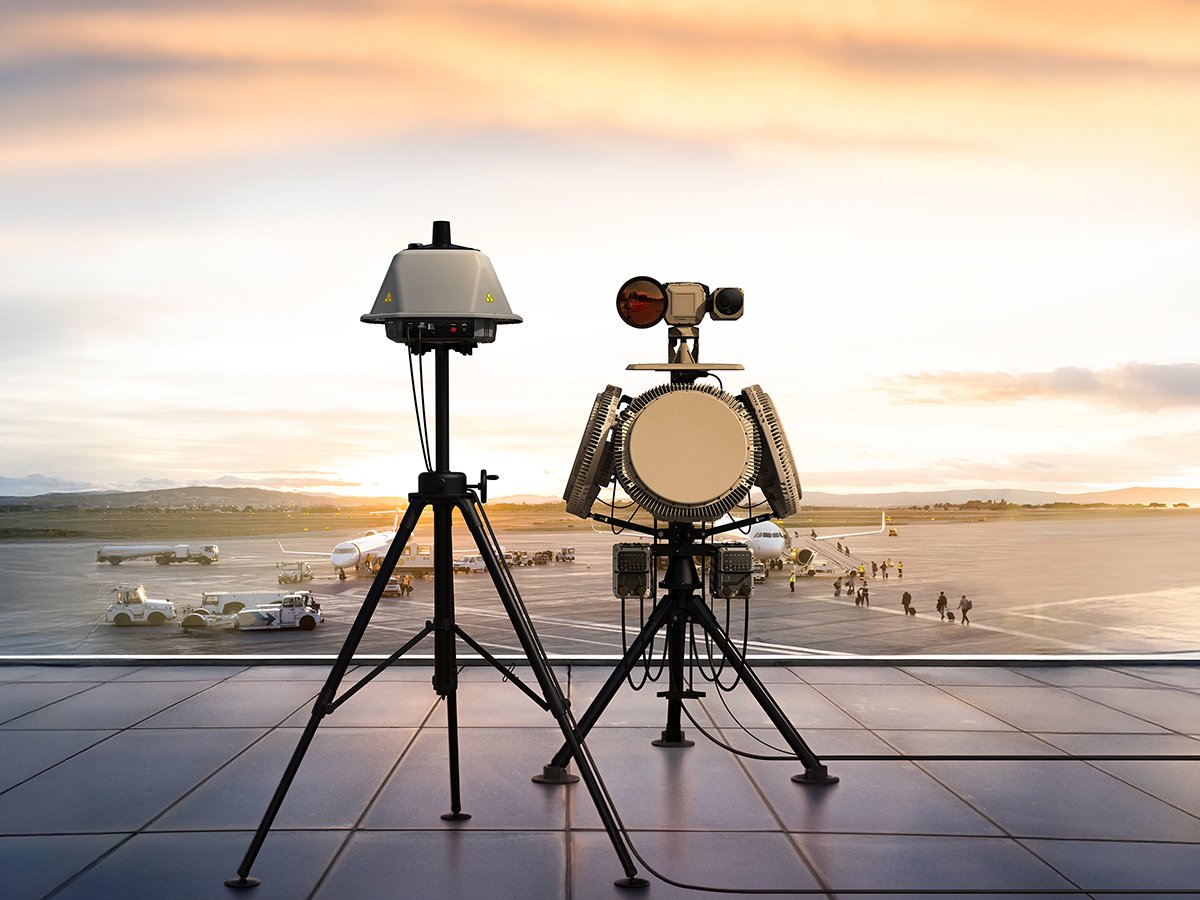
The New Airspace Risk: What Security Teams Need to Know About Drone Threats in 2026
For years, "drone risk" was treated as a nuisance. In 2026, that assumption no longer holds. Our latest blog examines how drone threats have evolved, why traditional security models struggle to keep pace, and what "credible" airspace risk look like now for airports, utilities, ports, stadiums, and other high-visibility environments.
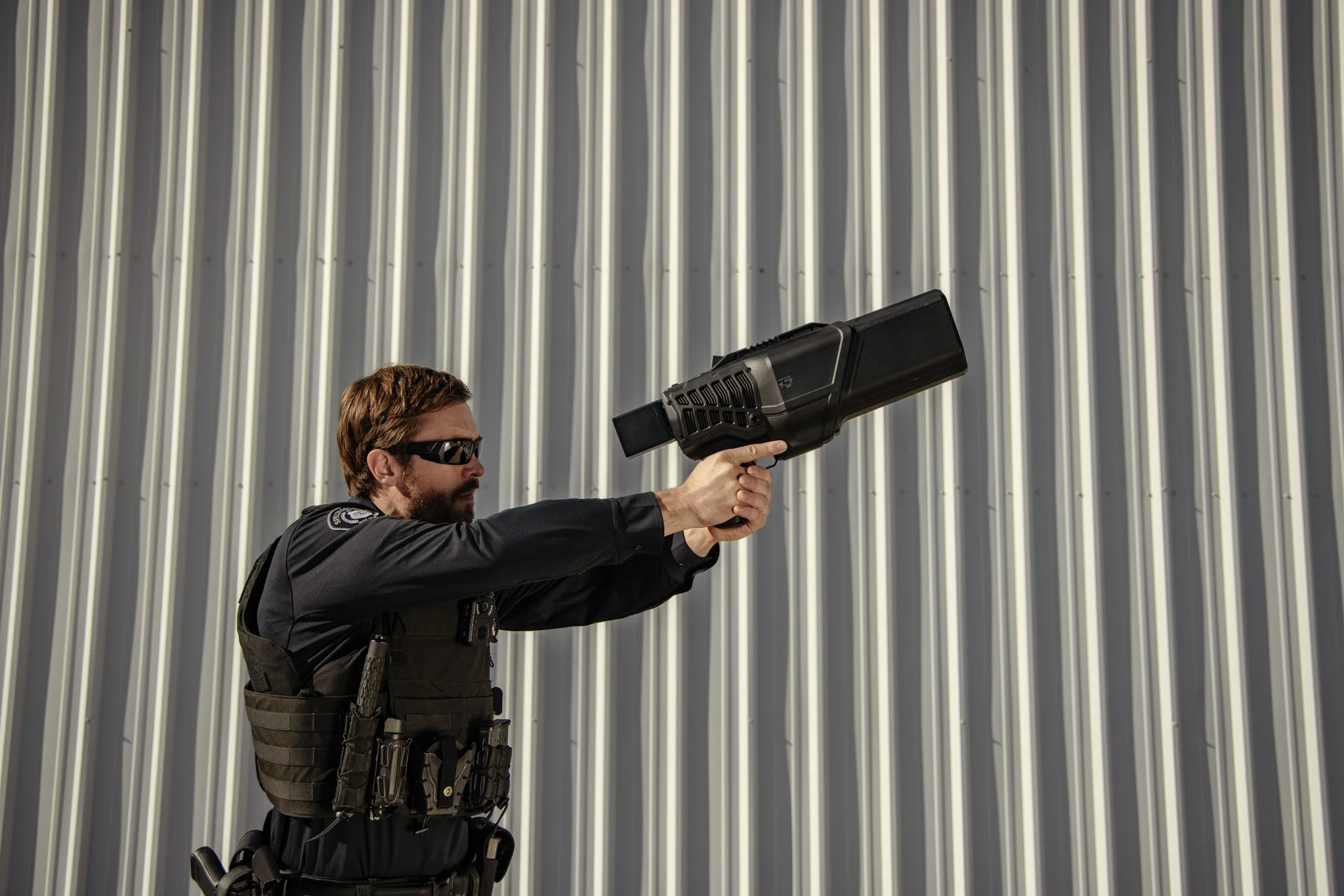
Safer Skies, Real Authority: What the NDAA Means for Public Safety Counter-Drone Operations
With the passage of the Safer Skies Act under NDAA, counter-drone authority is no longer theoretical for public safety agencies. This legislation enables real-world airspace protection, clearer procurement pathways, and mission-ready C-UAS operations. Learn what it means for law enforcement, critical infrastructure, and community protection