

Media & Insights
Media & Insights
Press Releases
Press Kit
DroneShield today announced its support for the 3 Wing Australian Air Force Cadets (AAFC), reinforcing the Company's commitment to the next generation of Australians through leadership development, technical education and service-based opportunities.
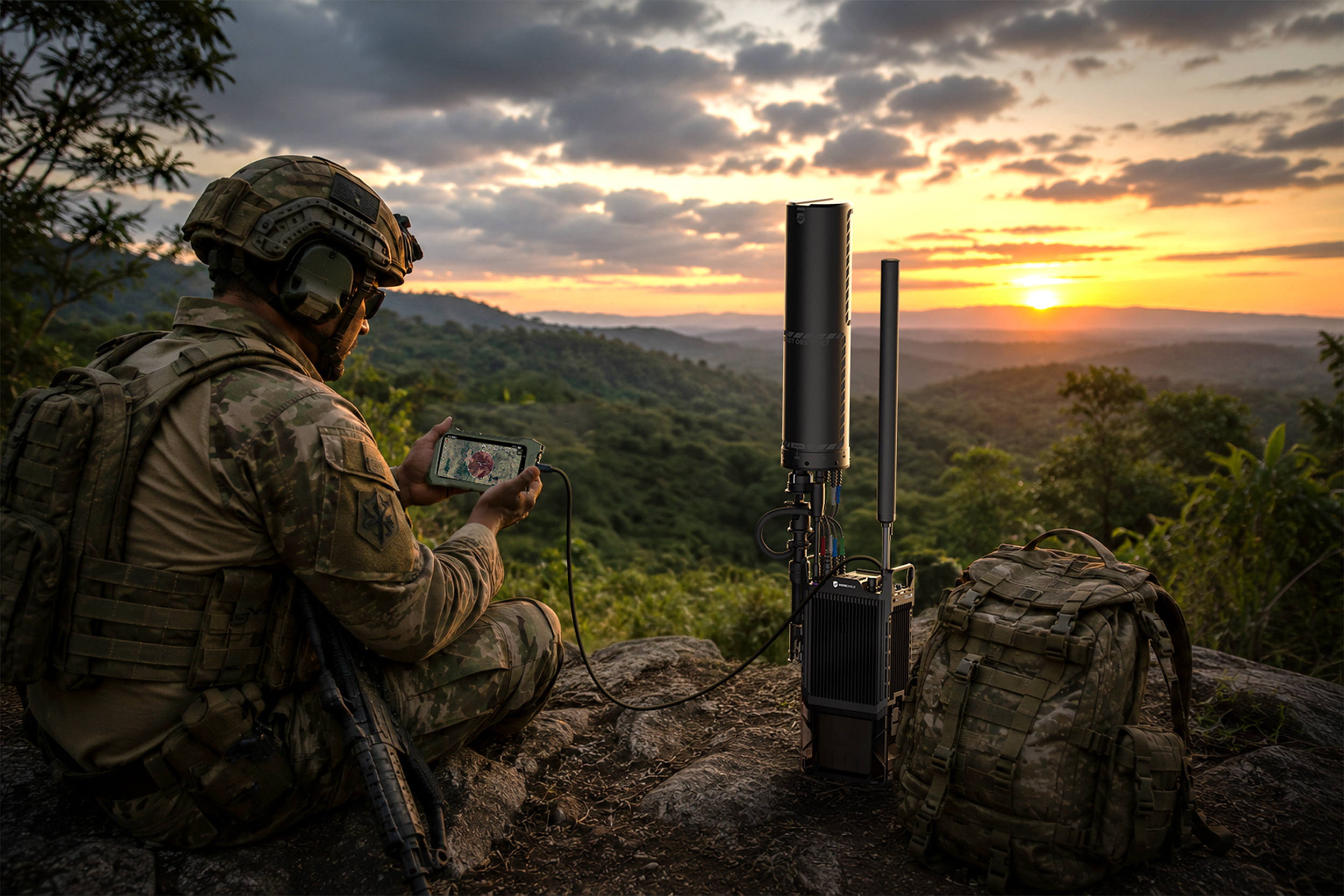
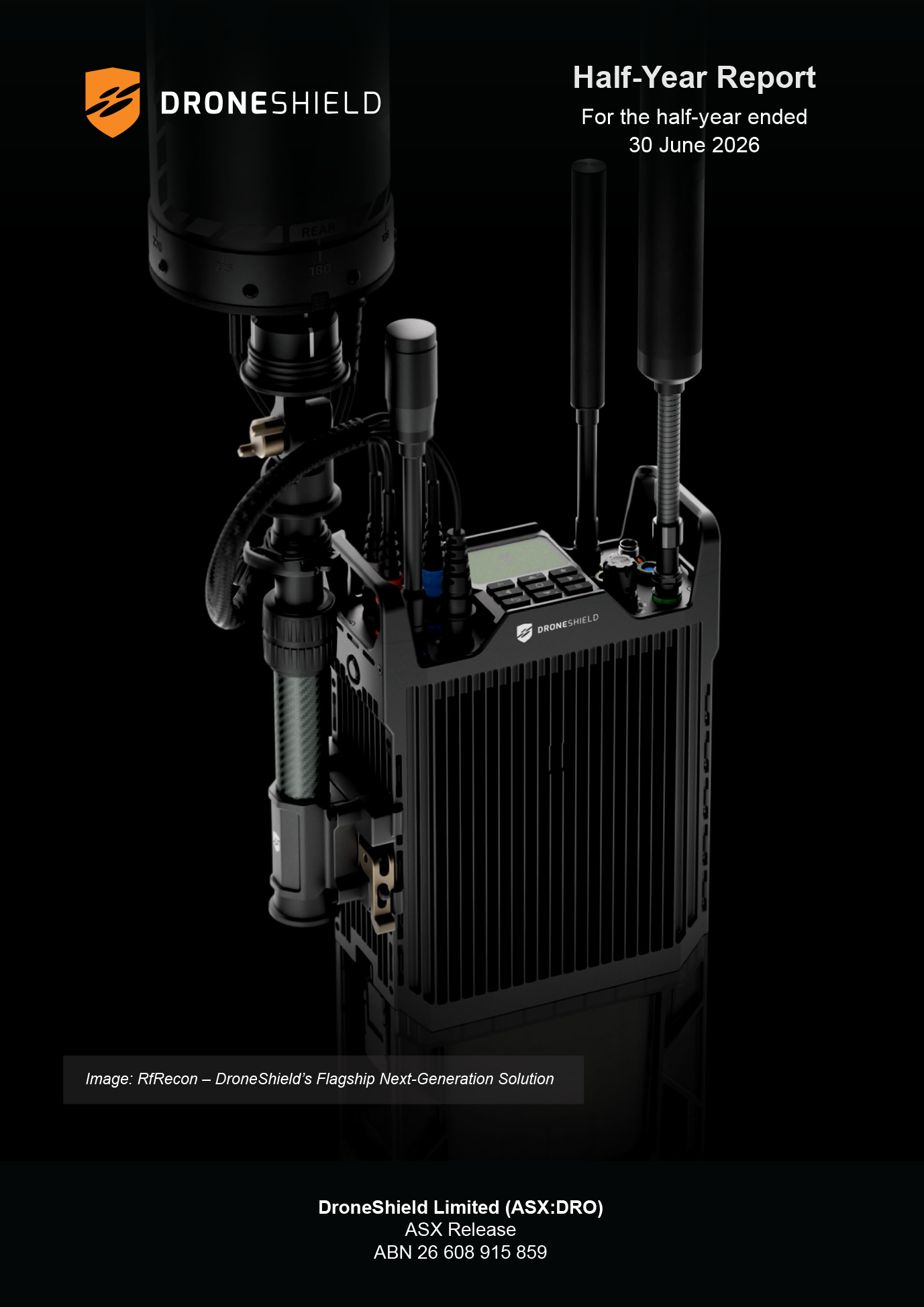
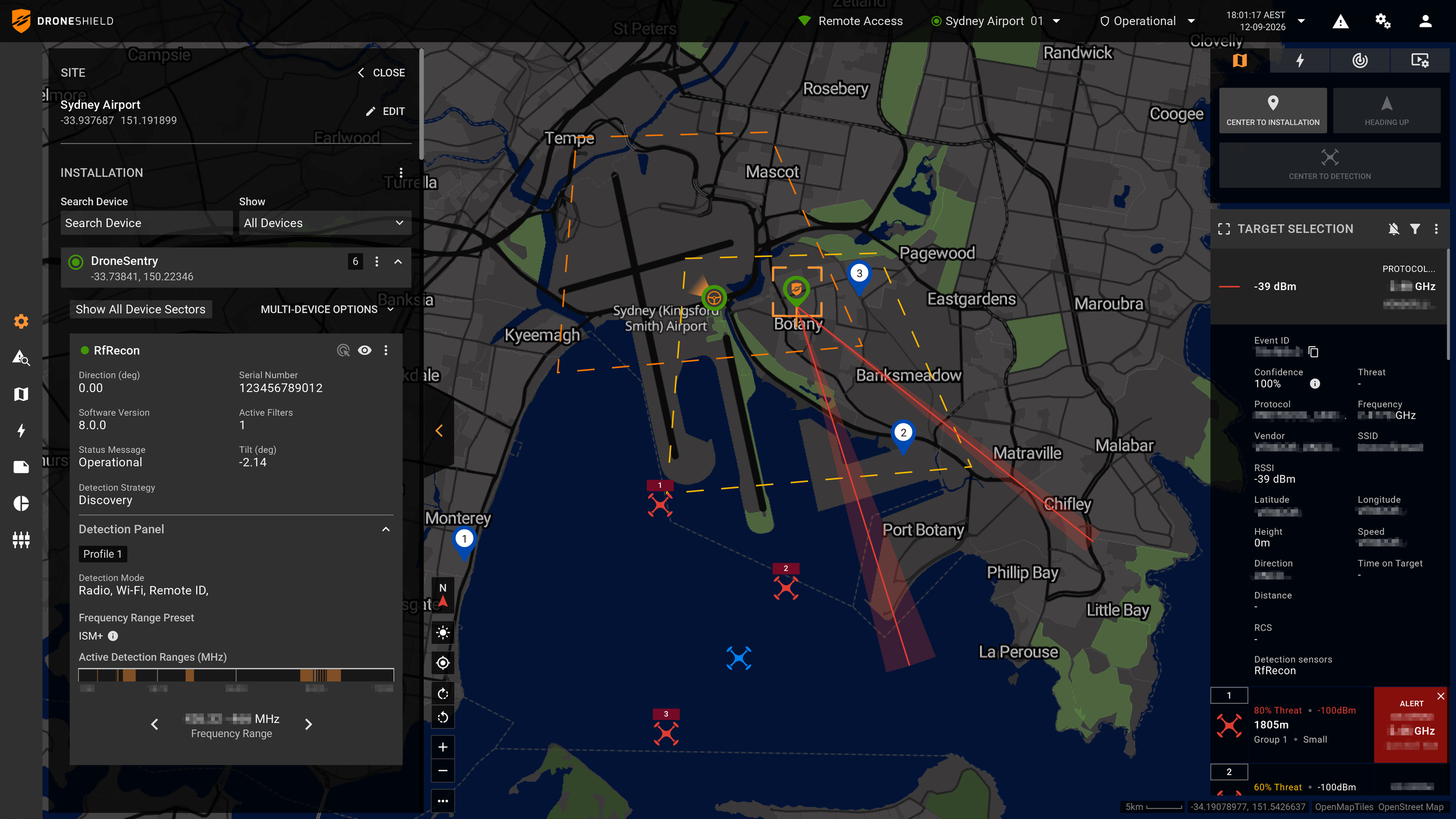
DroneShield announced the launch of its latest flagship product, the RfRecon, a portable RF intelligence solution designed to help defence, government, and security organisations better understand the electromagnetic environment wherever operations occur.
Third generation of DroneShield’s proprietary RF detection engine delivers situational awareness in complex and evolving threat environments.
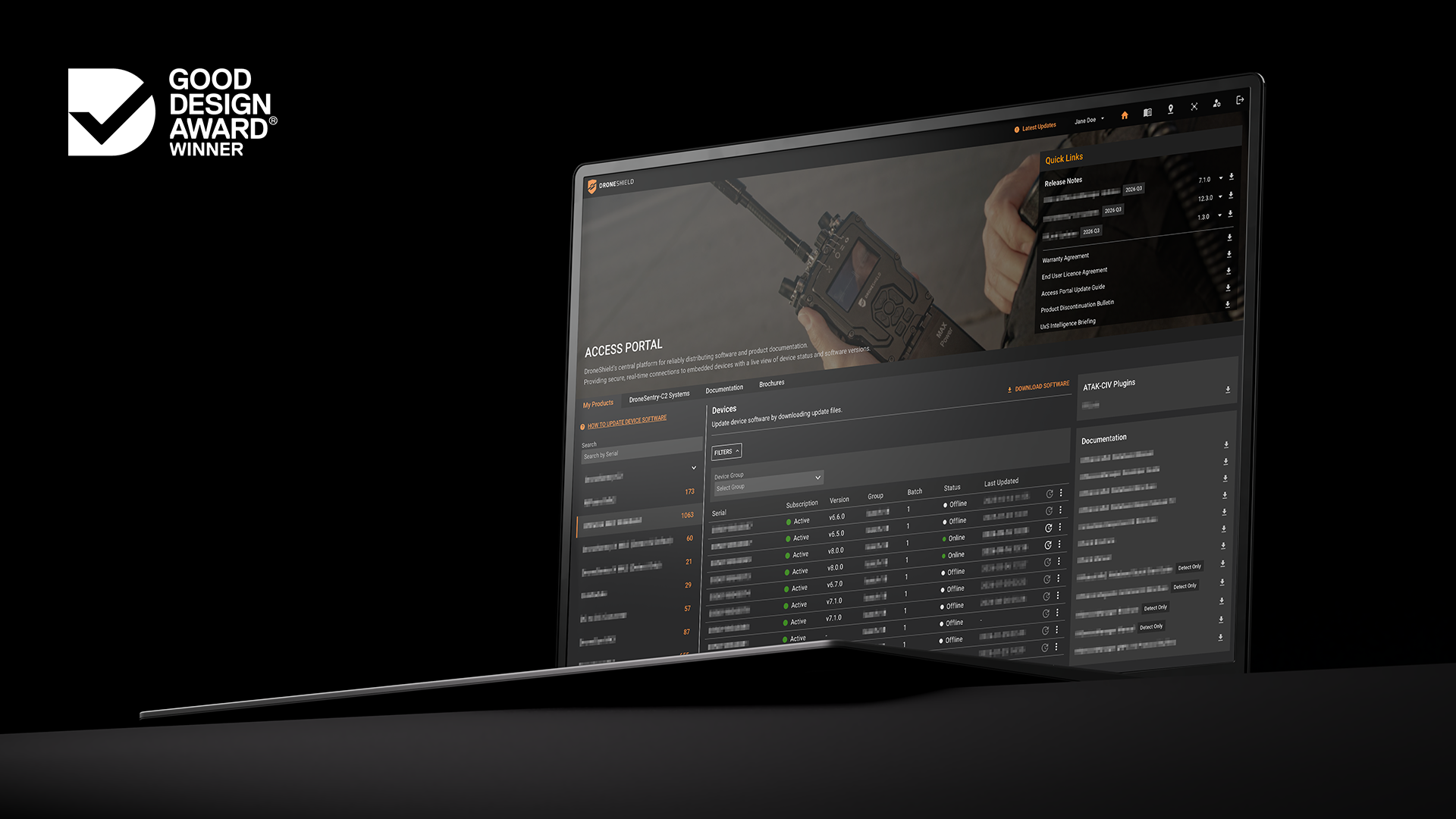
DroneShield today announced its Q3 2026 software release, delivering measurable improvements in RF detection performance, tracking responsiveness and operational capability across deployed DroneShield solutions.
Industry Insights
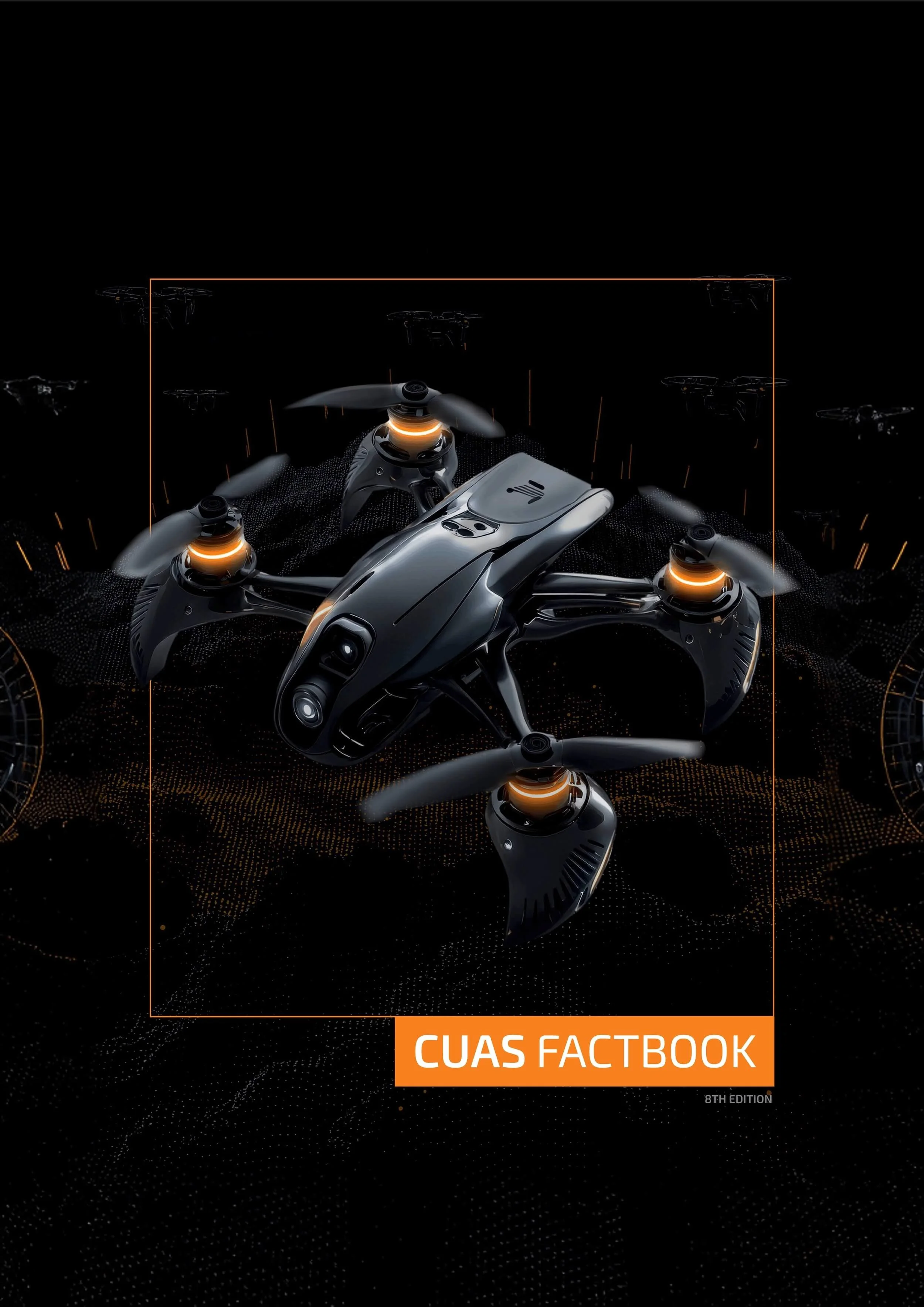
The threat spectrum is no longer predictable. Adversaries use frequency hopping and software-defined radio to operate in gaps that narrowband systems can't see. Here's what ultra-wideband drone detection changes.
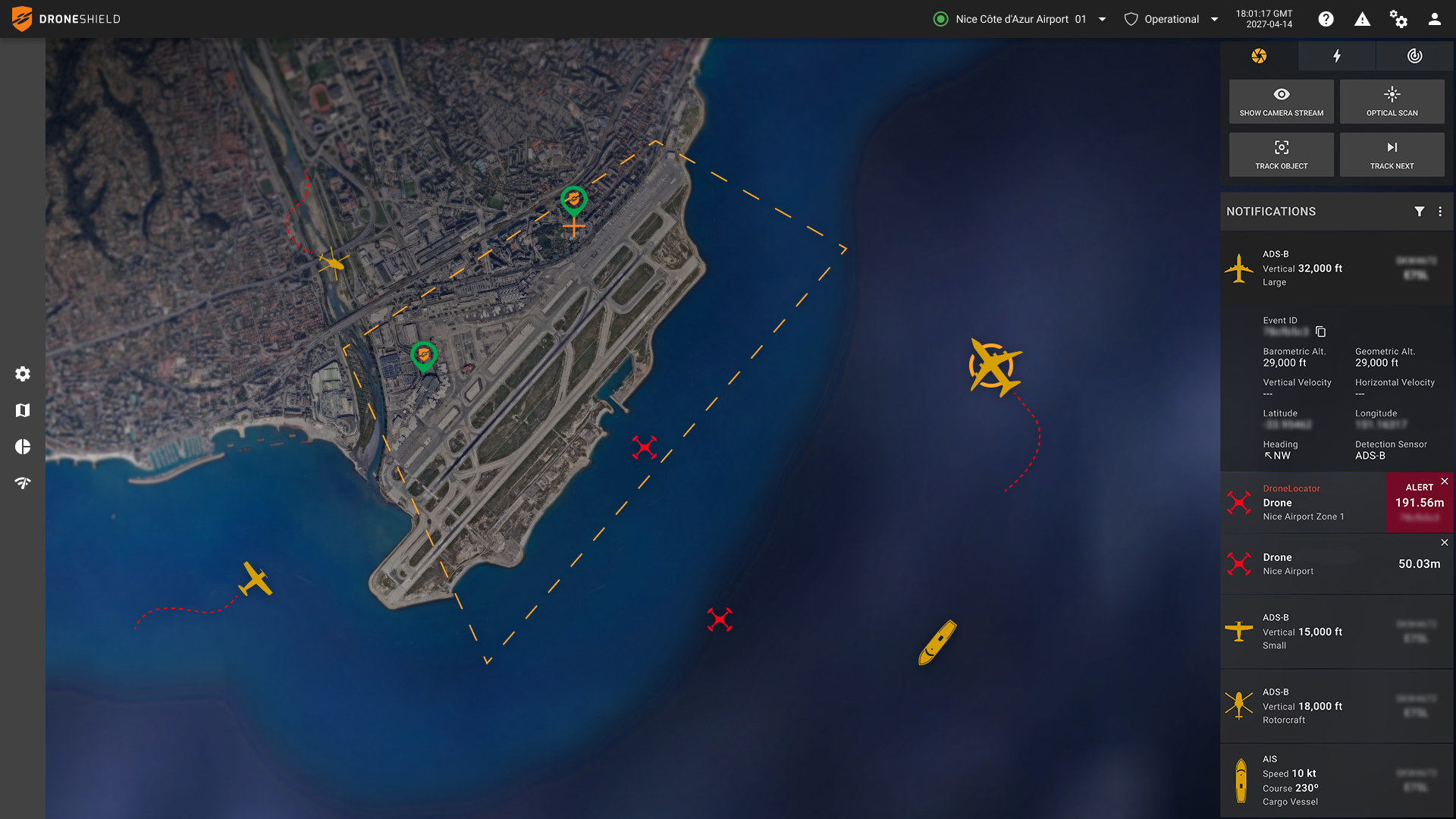
Critical infrastructure has an airspace visibility gap. Drones can easily bypass ground-based security to survey, disrupt, and deliver payloads. Closing it requires passive RF detection, sensor fusion across RF, radar, and EO/IR, and pre-established drone defeat authority.
Modern drone threats have made the distinction between forward and rear operating areas obsolete. Persistent and passive ultra-wideband RF detection identifies drone presence from power-on, delivers line of bearing without a pre-loaded signal library, and provides the earliest actionable indicator in a layered C-UAS architecture. Periodic monitoring creates exploitable gaps. Persistent monitoring eliminates them.
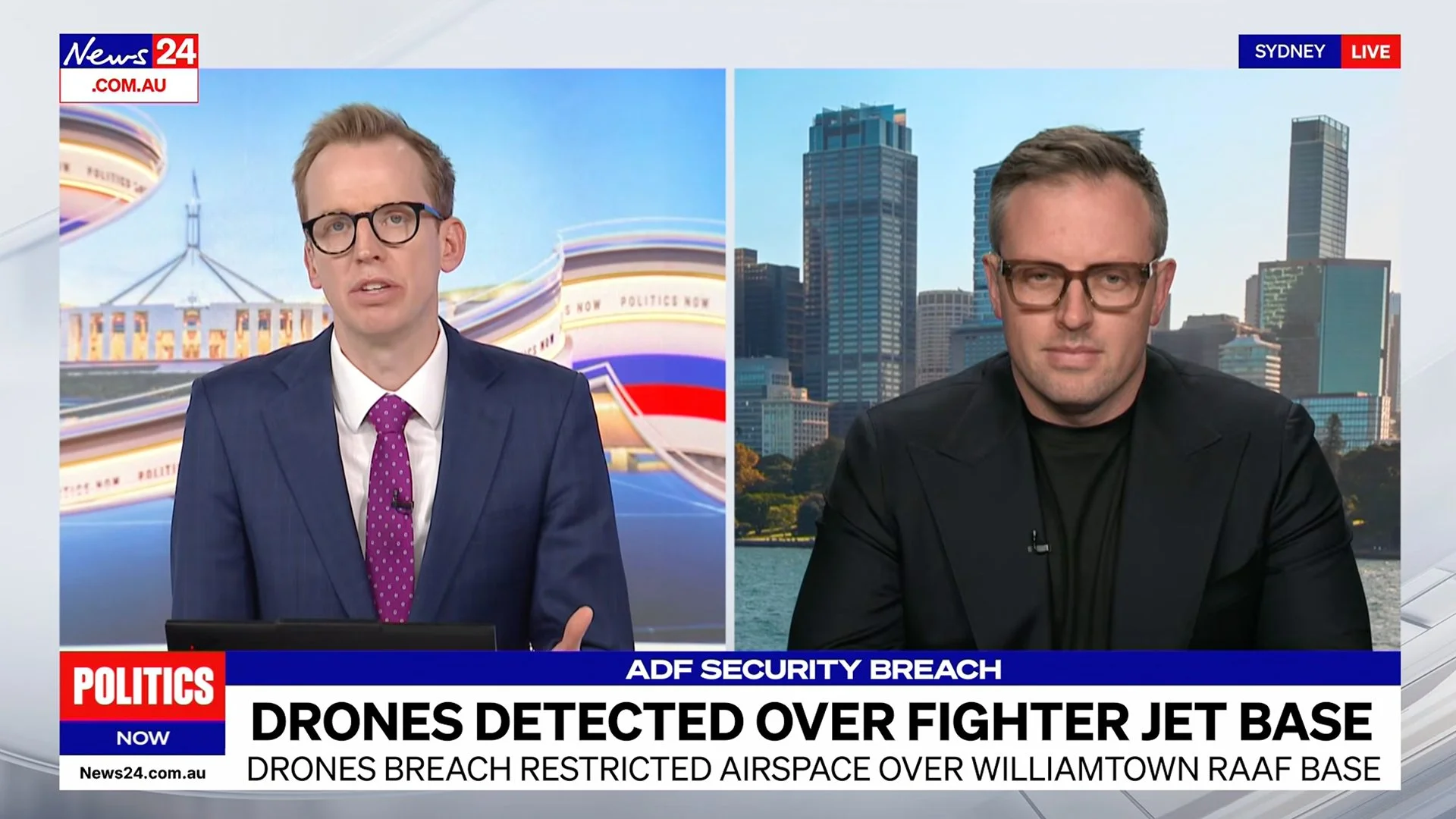
UAS Incidents
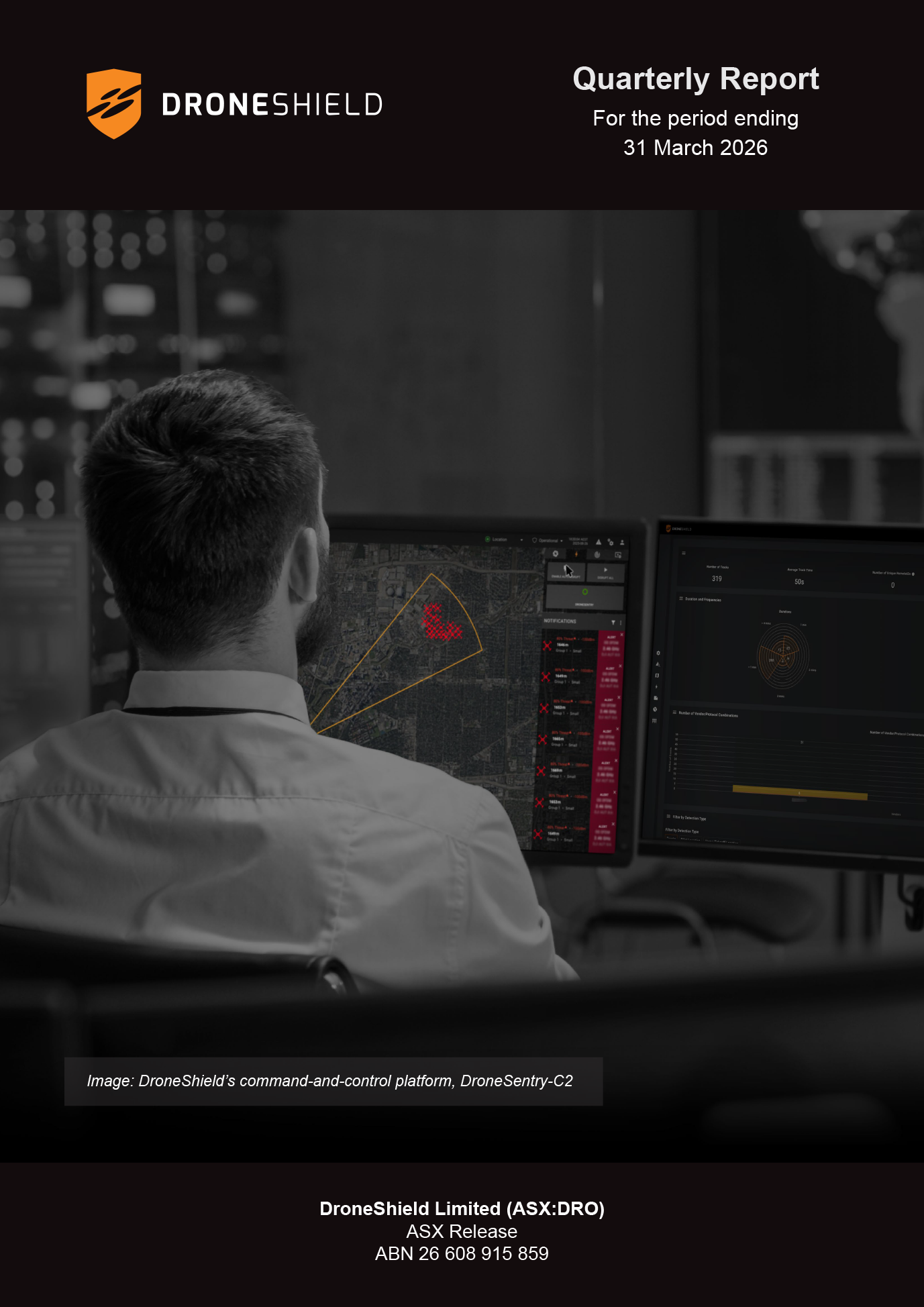
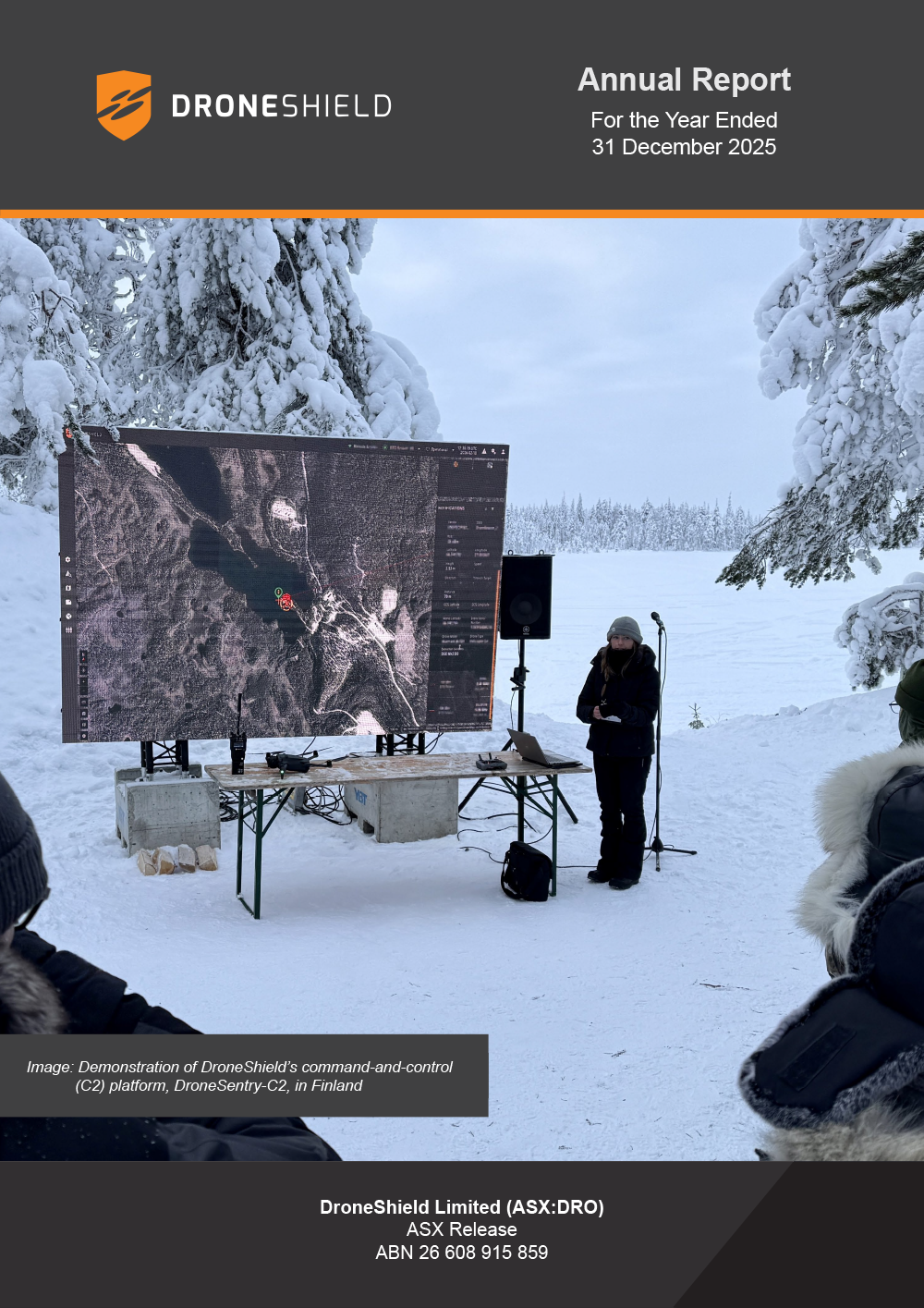
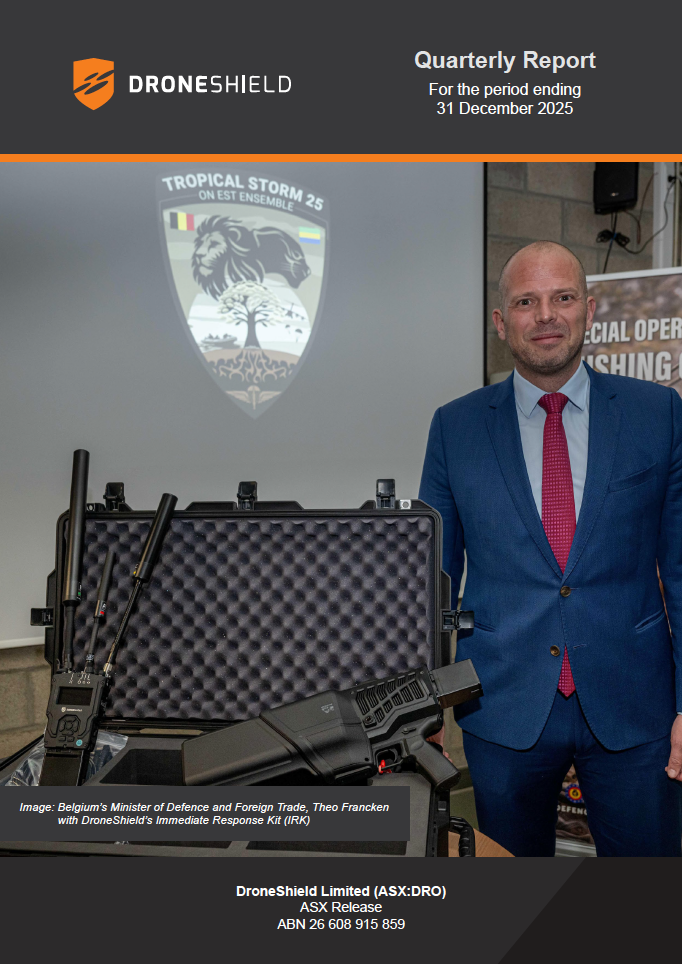
Quarterly, Half Annual, and Annual Report PDFs