


Industry Insights
Stay up-to-date with the latest news and developments
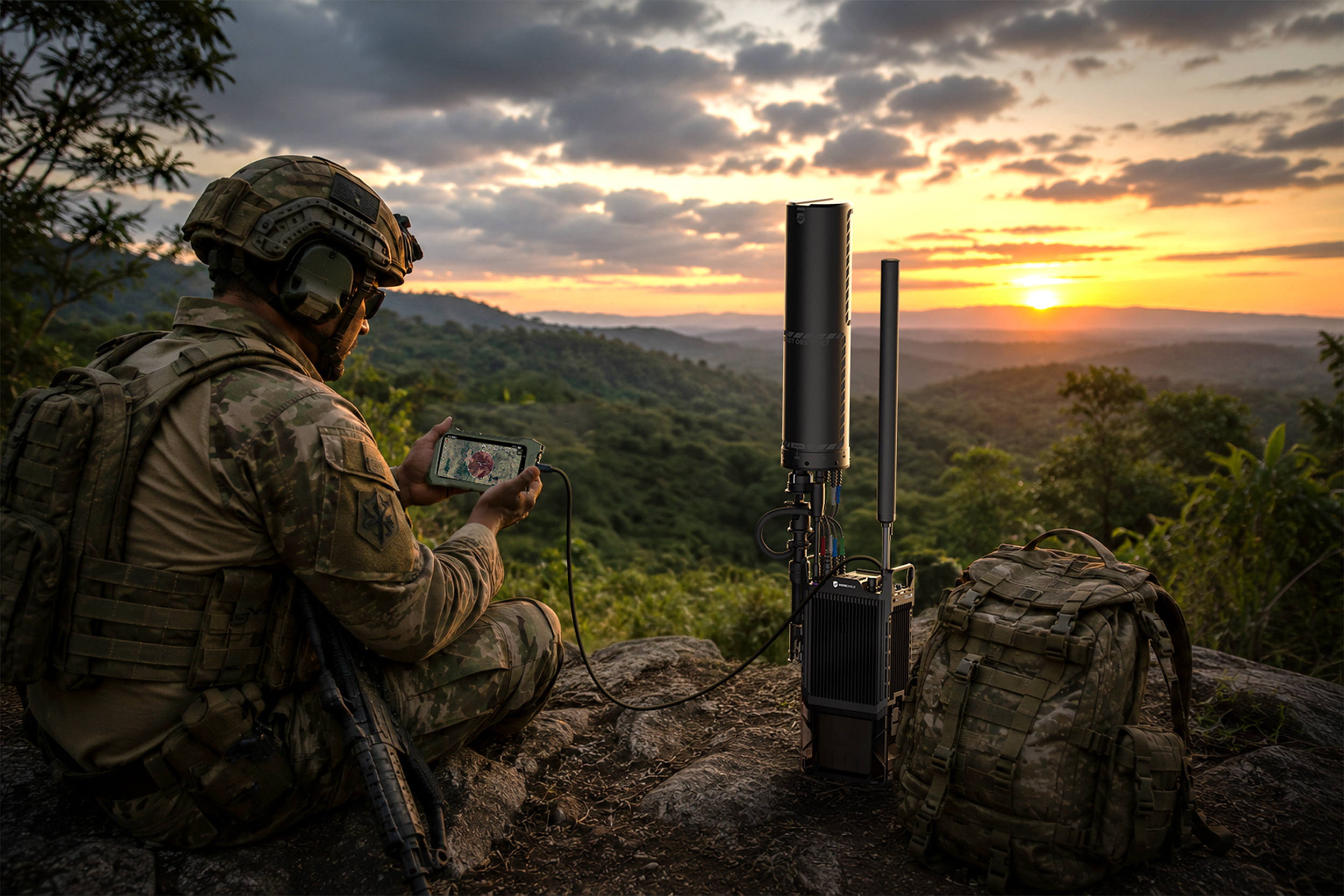
What Passive Detection Brings to Modern Counter-Drone Operations
Passive RF drone detection identifies, classifies and geolocates UAS, including the ground control station, without transmitting signals. Unable to be detected or located through conventional means, it provides persistent, low-signature awareness and valuable signal intelligence across fixed, mobile and maritime environments. Integrated into a layered C-UAS architecture, it forms a foundational detection layer for modern counter-drone operations

Why Ultra-Wideband Capability Is Vital for Countering Evasive Drones
The threat spectrum is no longer predictable. Adversaries use frequency hopping and software-defined radio to operate in gaps that narrowband systems can't see. Here's what ultra-wideband drone detection changes.
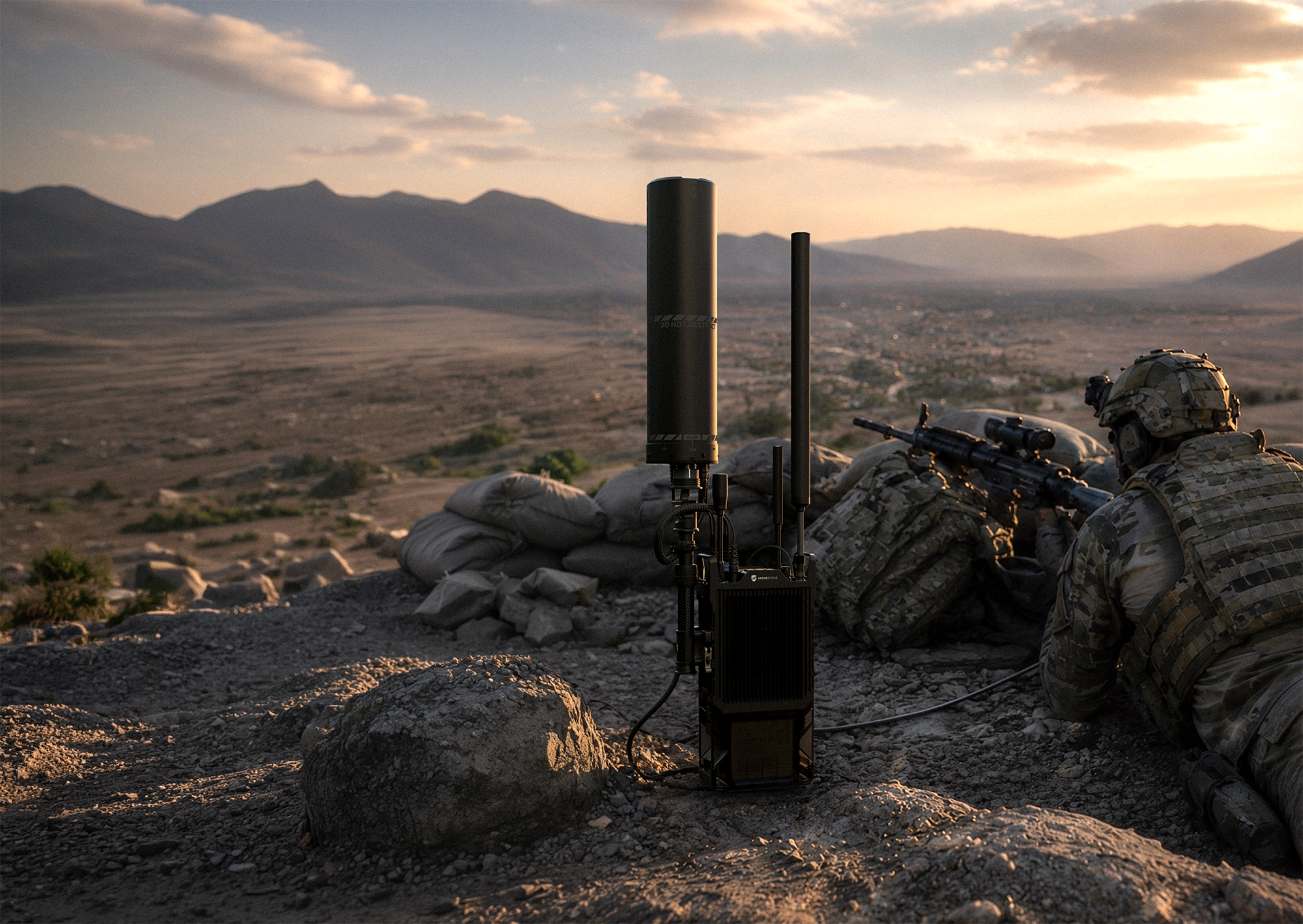
Modern Military Installations Demand Persistent RF Awareness
Modern drone threats have made the distinction between forward and rear operating areas obsolete. Persistent and passive ultra-wideband RF detection identifies drone presence from power-on, delivers line of bearing without a pre-loaded signal library, and provides the earliest actionable indicator in a layered C-UAS architecture. Periodic monitoring creates exploitable gaps. Persistent monitoring eliminates them.