

The release of the Department of Homeland Security Science and Technology Directorate’s (DHS S&T) new Counter-Unmanned Aircraft System (C-UAS) Purchasing Tool marks an important development in the evolution of U.S. counter-drone strategy, procurement, and operational readiness.
As drone activity continues to expand across public safety, critical infrastructure, airports, stadiums, government facilities, and urban environments, agencies across the United States are facing growing pressure to strengthen airspace security capabilities and improve preparedness for emerging low-altitude threats.
The DHS Counter-UAS Purchasing Tool is designed to help federal, state, local, tribal, and territorial agencies better evaluate and procure counter-drone technology based on mission requirements, operational environments, and deployment objectives.
The timing is significant.
With FIFA World Cup 2026 approaching, increasing concern surrounding drone activity near critical infrastructure, and expanding public safety responsibilities tied to low-altitude airspace awareness, the United States is entering a period where scalable counter-drone capability is becoming an operational requirement rather than a future consideration.
Counter-Drone Capability is Becoming Core Security Infrastructure
For years, counter-UAS technology was often viewed as a specialized capability reserved primarily for military operations or highly sensitive government missions.
That environment has changed rapidly.
Today, unauthorized drone activity impacts airports, correctional facilities, energy infrastructure, maritime environments, public events, transportation hubs, and urban centers. Public safety agencies and security operators are increasingly required to monitor, assess, and respond to drone-related incidents in real time. As a result, airspace awareness is becoming an increasingly important layer of modern security operations.
The release of the DHS C-UAS Purchasing Tool reflects broader recognition that drone detection, situational awareness, and response coordination are now essential components of public safety and homeland security planning.
Counter-Drone Procurement is Evolving Beyond Hardware Specifications
As the counter-drone market matures, procurement priorities are shifting beyond standalone sensors and technical specifications toward operational effectiveness and long-term scalability.
Detection range alone is no longer sufficient.
Organizations evaluating counter-drone solutions are increasingly focused on:
This evolution reflects a larger industry shift toward layered airspace security architectures capable of supporting complex operational environments rather than isolated site protection.
As drone threats continue to evolve, agencies are increasingly prioritizing solutions capable of supporting long-term operational readiness across multiple mission sets.
FIFA World Cup 2026 and Major Events are Accelerating Counter-Drone Readiness
The United States is preparing to host one of the largest global sporting events in the world during FIFA World Cup 2026, spanning multiple host cities, transportation corridors, stadiums, entertainment districts, and public gathering areas.
These environments present unique airspace security challenges.
Drone activity near stadiums, public venues, transportation infrastructure, and densely populated urban areas creates operational complexity for public safety agencies tasked with maintaining safety, continuity, and situational awareness.
At the same time, agencies must navigate crowded RF environments, overlapping jurisdictions, rapidly changing operational conditions, and increasing expectations surrounding coordinated response capability.
The operational conversation is no longer limited to detecting drones. Agencies are increasingly focused on how quickly threats can be identified, assessed, prioritized, and communicated across operational teams.
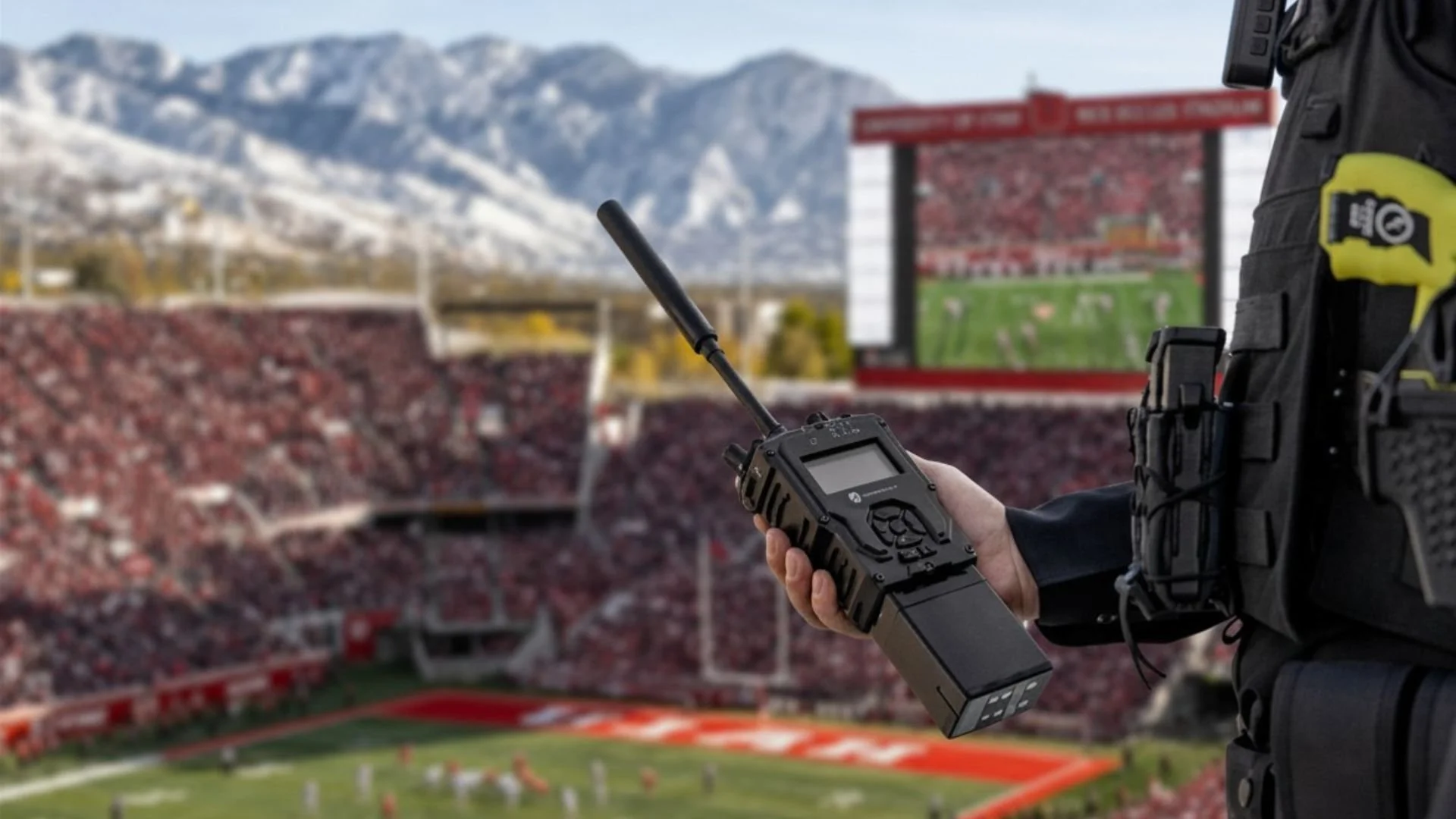
RfPatrol Mk2, DroneShield’s wearable drone detection solution
Critical Infrastructure Security is Driving Increased Demand for Airspace Awareness
Drone-related risks are also becoming a growing concern for critical infrastructure operators across the United States.
Energy facilities, telecommunications infrastructure, transportation networks, ports, logistics hubs, and data centers are increasingly exposed to unauthorized drone activity capable of disrupting operations, collecting intelligence, or creating broader security concerns.
As critical infrastructure operators modernize physical security strategies, airspace awareness is becoming an increasingly important component of layered defense planning.
The ability to maintain operational visibility across low-altitude airspace is rapidly becoming a strategic security consideration rather than a niche technology discussion.
Operationally Proven Counter-Drone Capability Will Matter Most
As counter-drone procurement activity expands across the United States, agencies will face increasing pressure to distinguish between marketing-driven claims and operationally validated capability.
The most effective counter-UAS deployments are not defined solely by individual sensors or isolated hardware components. They are defined by how effectively detection, tracking, situational awareness, intelligence workflows, and operational coordination function together in real-world environments.
This becomes especially important for organizations responsible for protecting:
Airports
Stadiums
Critical infrastructure
Military facilities
Government sites
Public venues
Transportation systems
Scalability will also become increasingly important as agencies move beyond single-site deployments toward regional, mobile, and distributed operational models.
Solutions capable of supporting layered security architectures, multiple operational environments, and evolving drone threats will likely become increasingly important as public safety and homeland security requirements continue to expand.
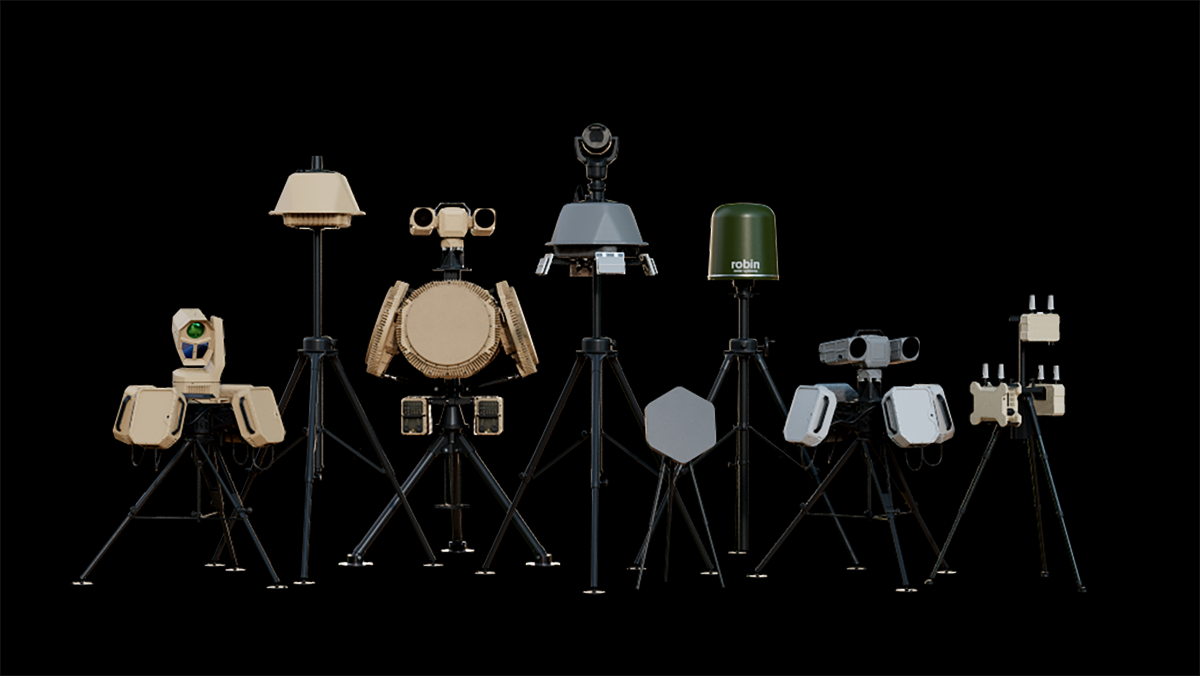
DroneShield’s DroneSentry is a modular installation that can be configured with a variety of optical, radar, and radio frequency (RF) sensors, edge computing systems, and software
The Future of Counter-Drone Operations Is Centered on Airspace Awareness
The release of the DHS Counter-UAS Purchasing Tool signals continued maturation of the U.S. counter-drone market and growing recognition that low-altitude airspace security is now a persistent operational challenge.
As drone activity continues to evolve across public safety, critical infrastructure, transportation, defense, and urban environments, agencies will increasingly require scalable counter-drone capability capable of supporting real-world operational demands.
The organizations best positioned for long-term readiness will likely be those that prioritize:
Persistent airspace awareness
Layered security architectures
Real-time operational visibility
Interoperability
Decision support workflows
Multi-agency coordination
Scalable deployment models
Counter-drone capability is no longer simply about drone detection. It is becoming a foundational component of modern security operations and the future of U.S. airspace security.