

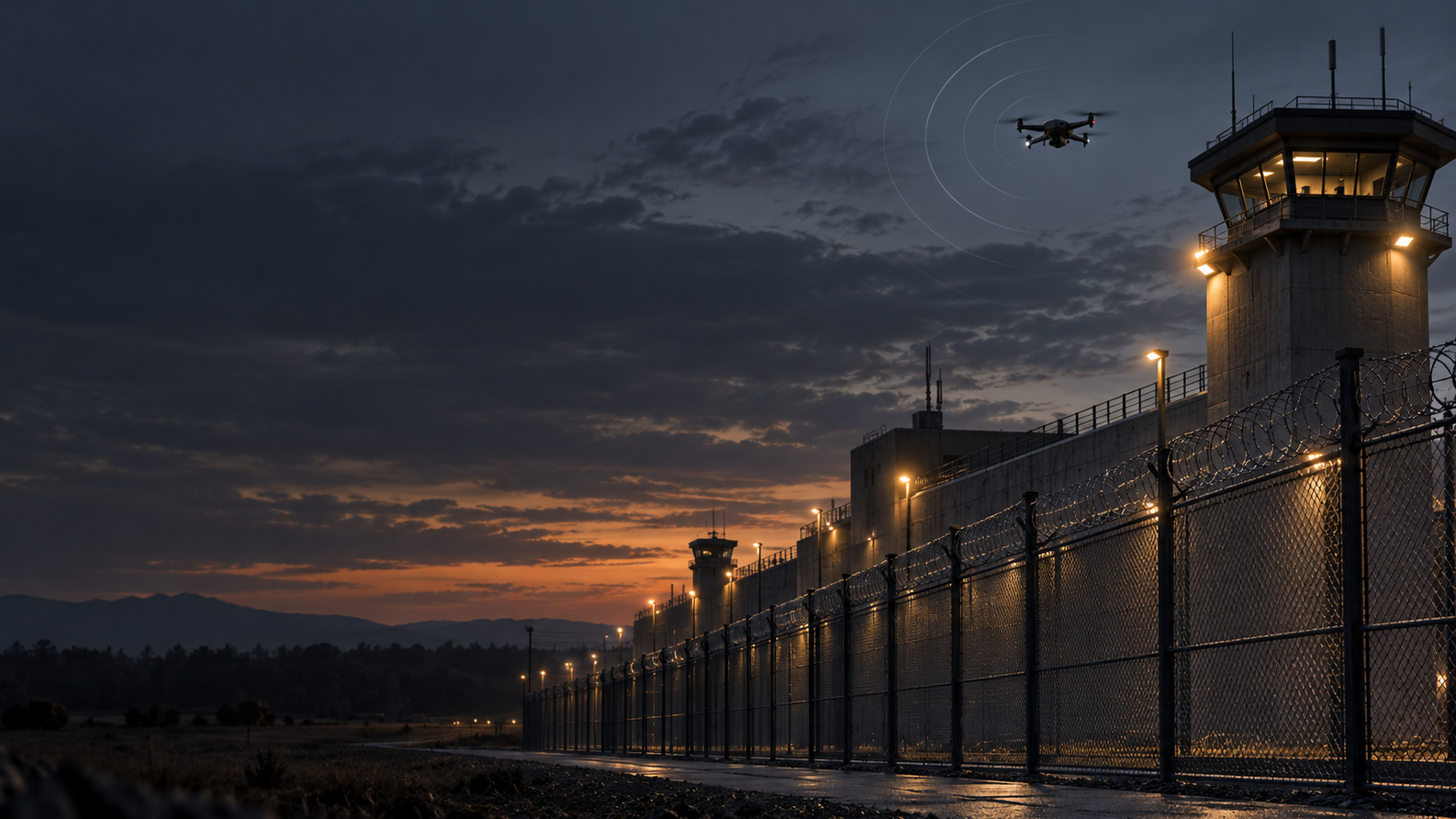
Airspace Security for Correctional Facilities
The perimeter no longer ends at the fence.
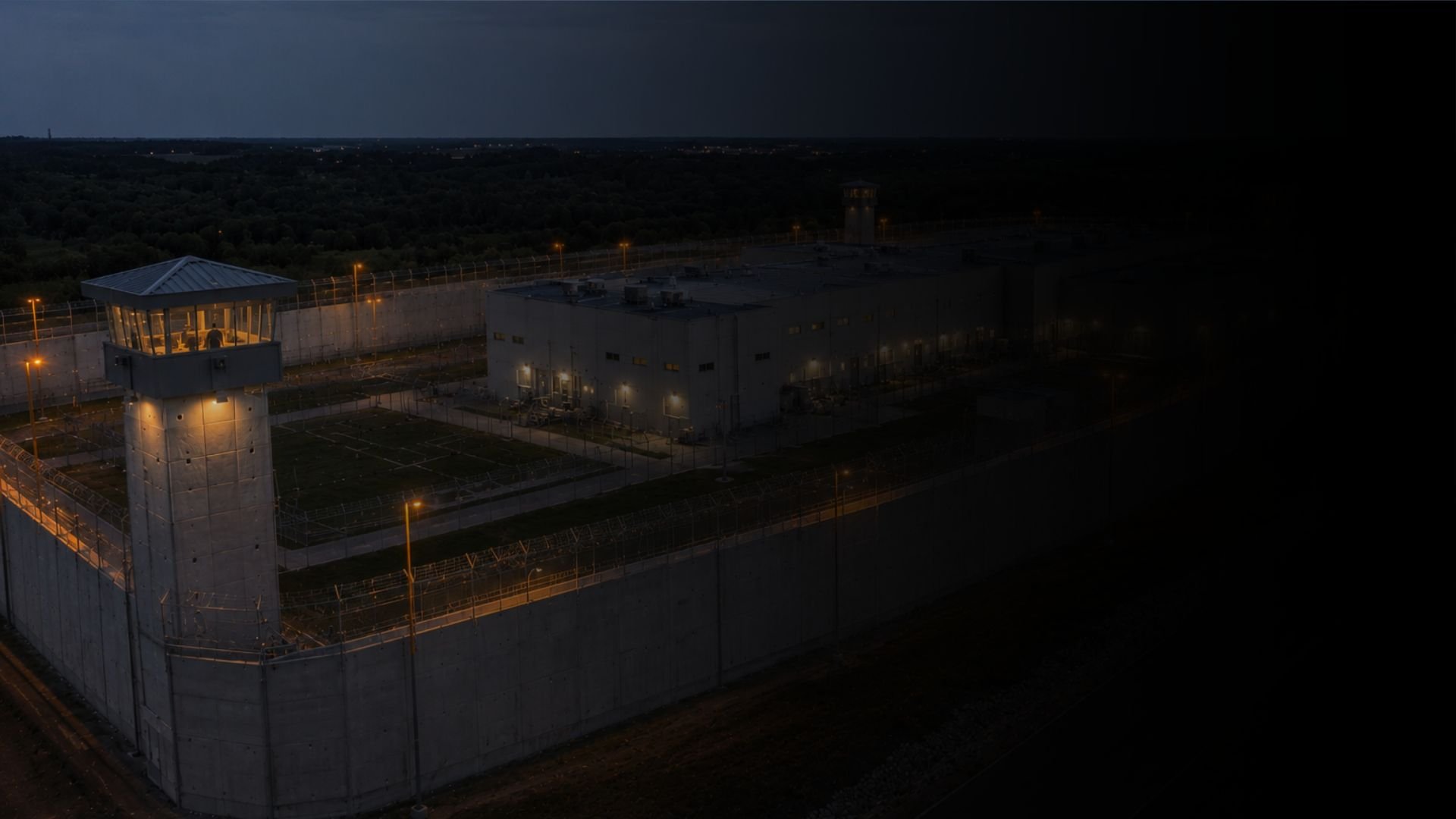
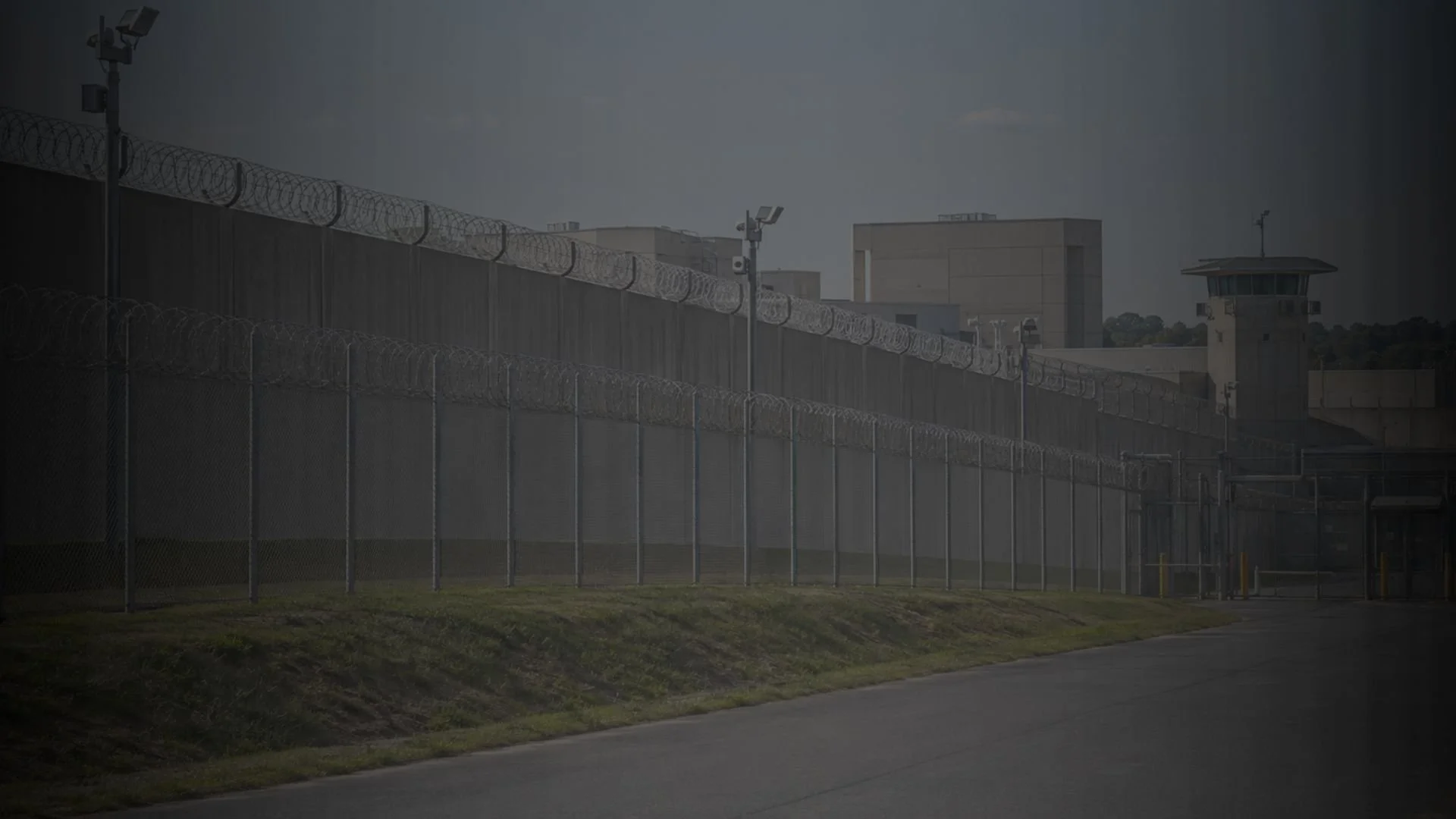
Correctional facilities are designed around controlled movement. Gates regulate entry. Walls restrict access. Cameras monitor the perimeter. Officers protect the space between them.
Drones change that equation.
A small aircraft launched beyond the facility boundary can cross the perimeter in minutes - carrying contraband, observing operations or supporting coordinated criminal activity without requiring anyone to approach a gate.
DroneShield provides airspace awareness and counter-drone technology that helps authorised organisations understand what is operating above and around correctional facilities, assess the threat and make informed response decisions.
A New Route
Across the Perimeter
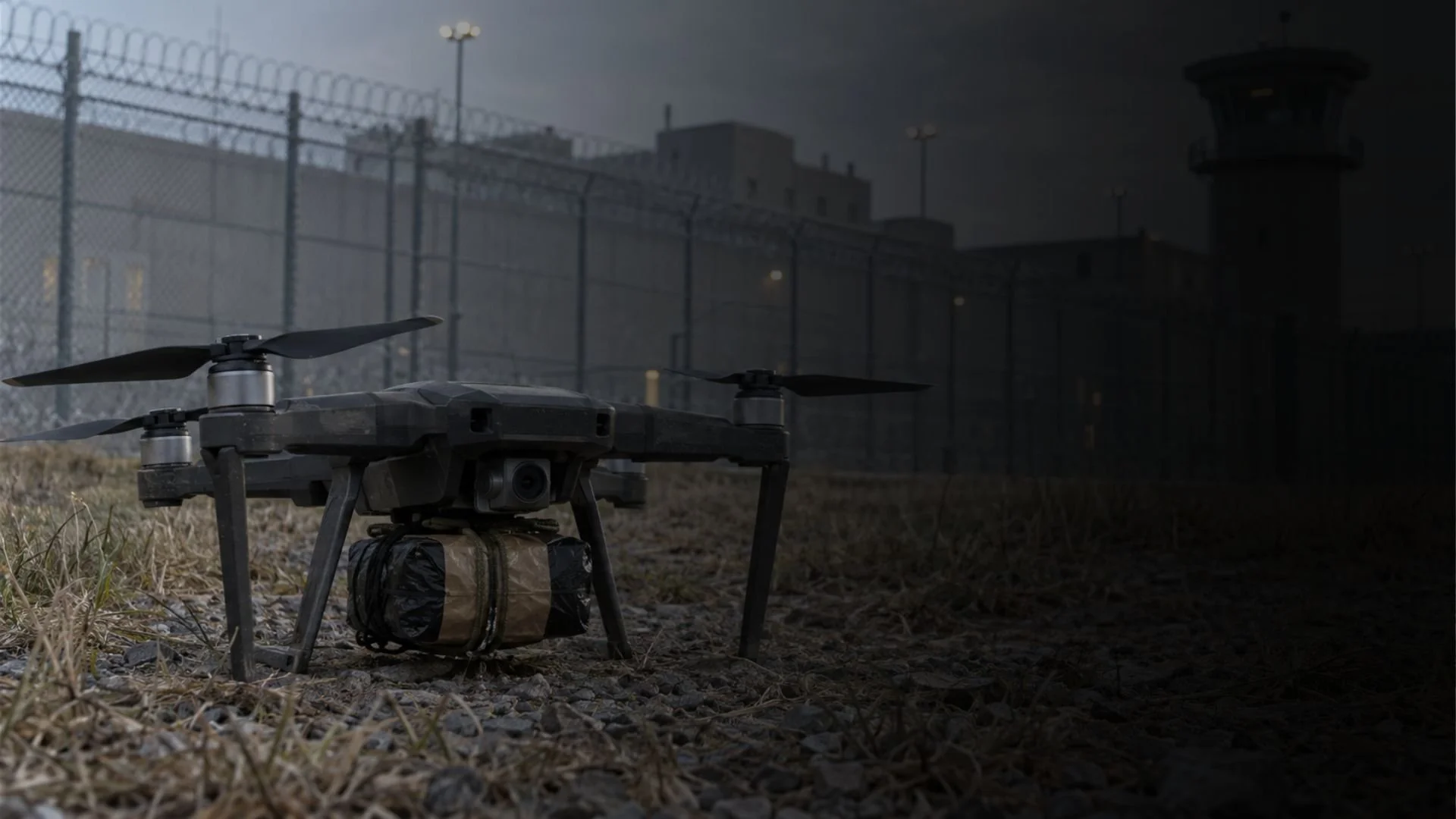
Contraband once had to move through a person, vehicle, delivery or compromised access point. Drones create a route that bypasses many of those established controls.
Mobile phones, drugs, weapons, tools and other prohibited items can be carried over walls and delivered directly into secure areas. Operators may remain outside the facility boundary, reducing their exposure while exploiting gaps in traditional perimeter security.
But the aircraft and its payload represent only part of the risk.
A drone can also observe guard movements, recreation schedules, infrastructure and response procedures. Repeated flights may indicate route testing, surveillance or preparation for future activity. What first appears to be an isolated incursion may be one part of a broader pattern.
The fence still controls movement on the ground. The airspace above it now requires the same operational attention.
Early Awareness
Closes the Gap
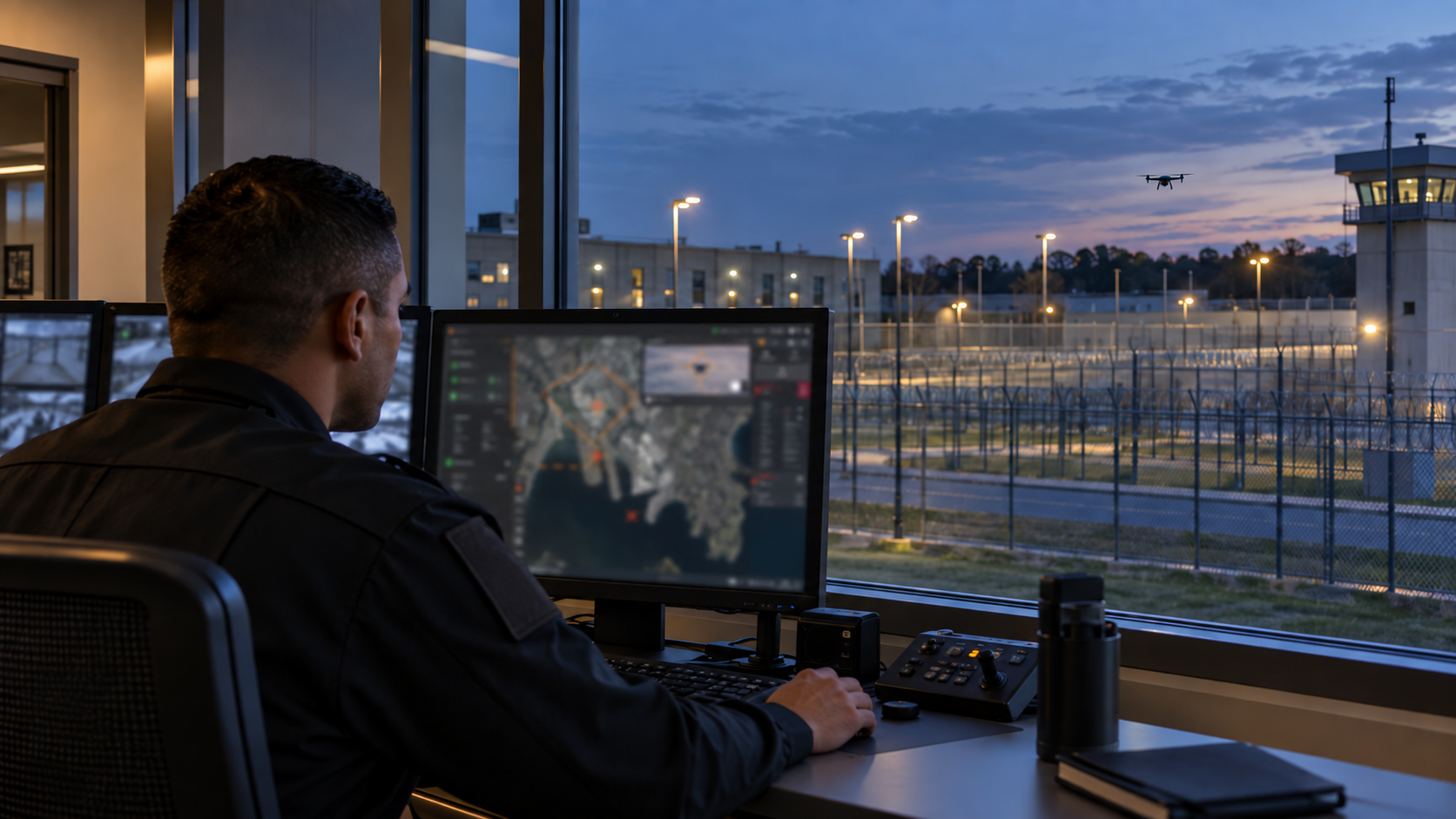
By the time a drone is seen above a housing unit or exercise yard, the incident may already be underway.
Visual observation alone rarely provides enough information to understand where the aircraft came from, how long it has been nearby, whether it has visited before or where its operator may be located. In low light, poor weather or visually obstructed areas, the aircraft may not be seen at all.
This creates an operational gap between the first indication of activity and the moment security teams can begin assessing the threat.
DroneShield technology can provide airspace sensing and intelligence before an aircraft reaches a critical area, giving authorised personnel more time to evaluate what is happening, protect exposed locations, preserve relevant information and coordinate an appropriate response.
Awareness
Before Action
Every second between initial awareness and arrival matters.
Earlier warning can give personnel time to move staff or people in custody away from a suspected delivery location, secure an exposed area, observe activity on the ground and coordinate with authorised response partners.
It can also support the preservation of incident data for investigation, reporting and future threat assessment. The objective is to provide actionable intelligence that helps the facility understand the event while there is still time to respond.
One Facility.
Multiple Operating Environments.
Correctional sites are rarely uniform.
A compact urban jail faces different conditions from a large rural prison. High walls, multiple housing blocks, open yards, nearby roads, surrounding buildings and varied terrain can all affect how drone activity is observed and assessed. A single technology or deployment model cannot address every aircraft, threat or facility.
DroneShield supports layered airspace security approaches designed around:
Facility size and physical layout
Local terrain and surrounding development
Known contraband delivery locations
Critical operational areas
Existing security infrastructure
Required coverage and deployment model
Available legal and regulatory authorities
Coordination with law enforcement and other response partners
Capabilities can support individual facilities, temporary operational requirements or coordinated visibility across a wider correctional portfolio.
Real-World Incidents
Building the Airspace Picture
A Layered Approach
An effective approach begins with understanding the environment.
Historical incidents, recurring flight paths, likely launch areas, operational blind spots and existing security procedures all help define the requirement. From there, sensing, intelligence, command-and-control and authorised response capabilities can be aligned to the facility’s operational needs.
-
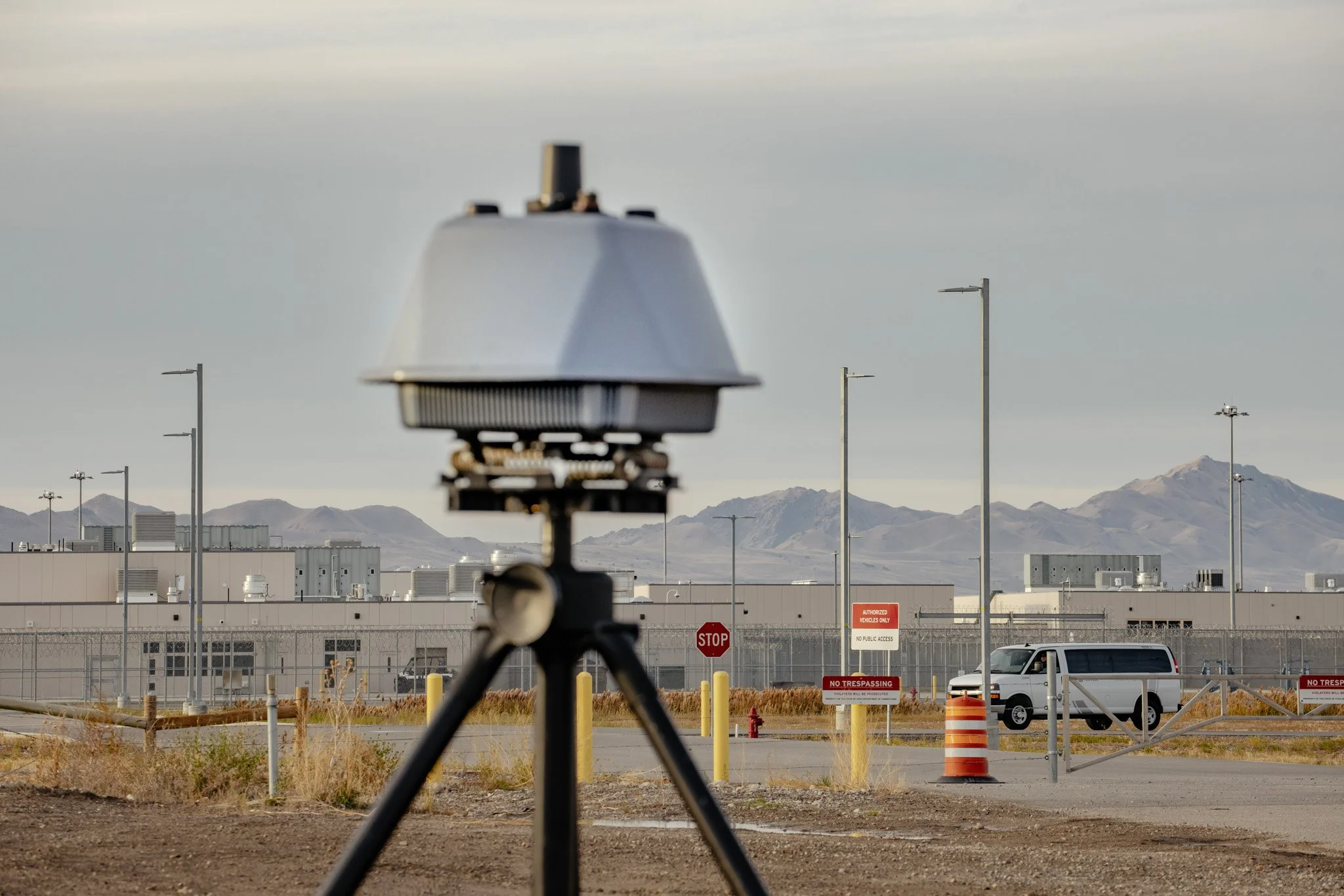
Airspace Sensing
Identify relevant activity above and around the facility and provide earlier awareness of potential incursions.
-
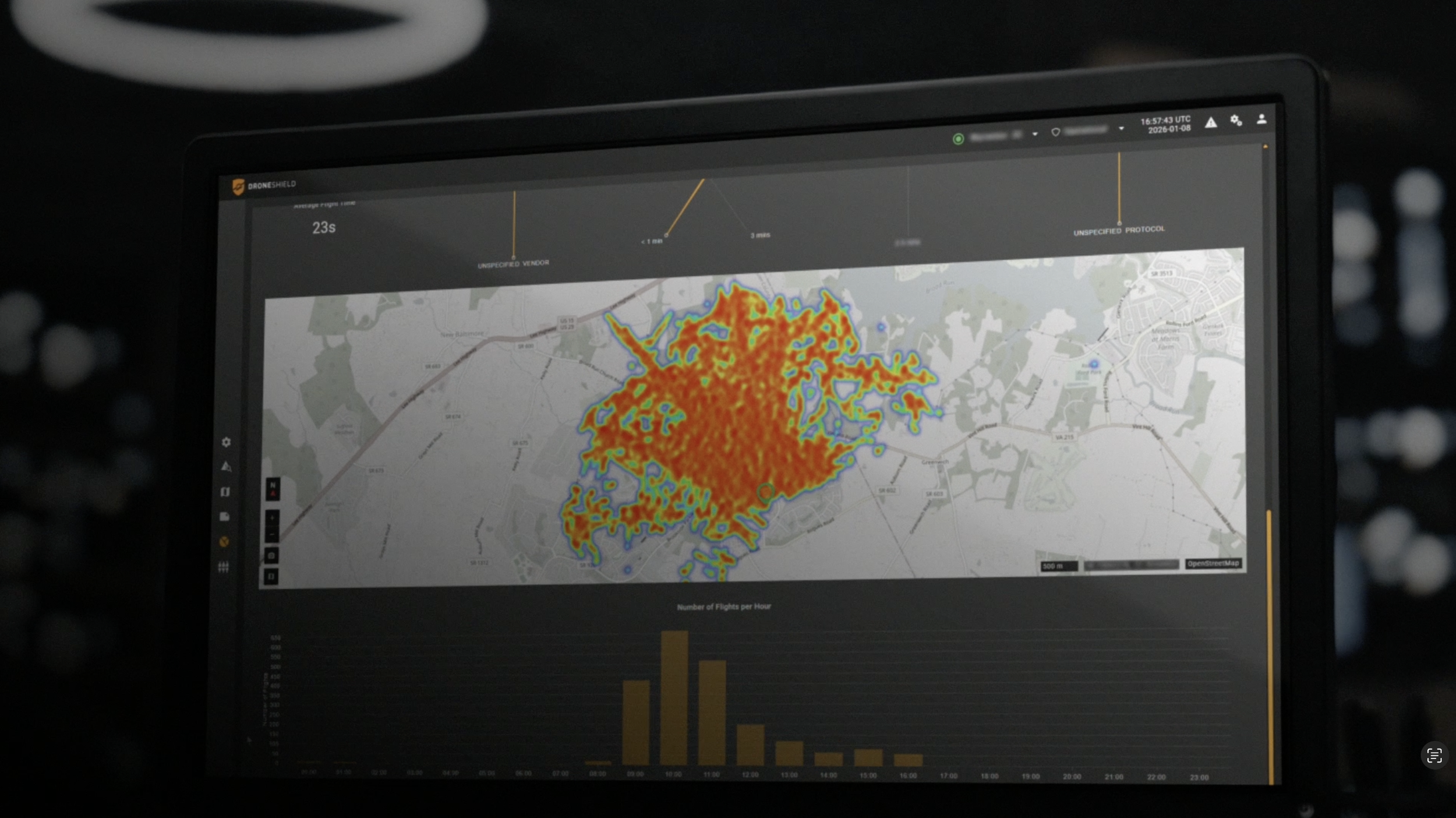
Threat Intelligence
Build greater understanding of aircraft behaviour, movement and recurring activity to support assessment and investigation.
-

Decision Support
Bring relevant information together to help authorised personnel evaluate risk and coordinate operational actions.
-
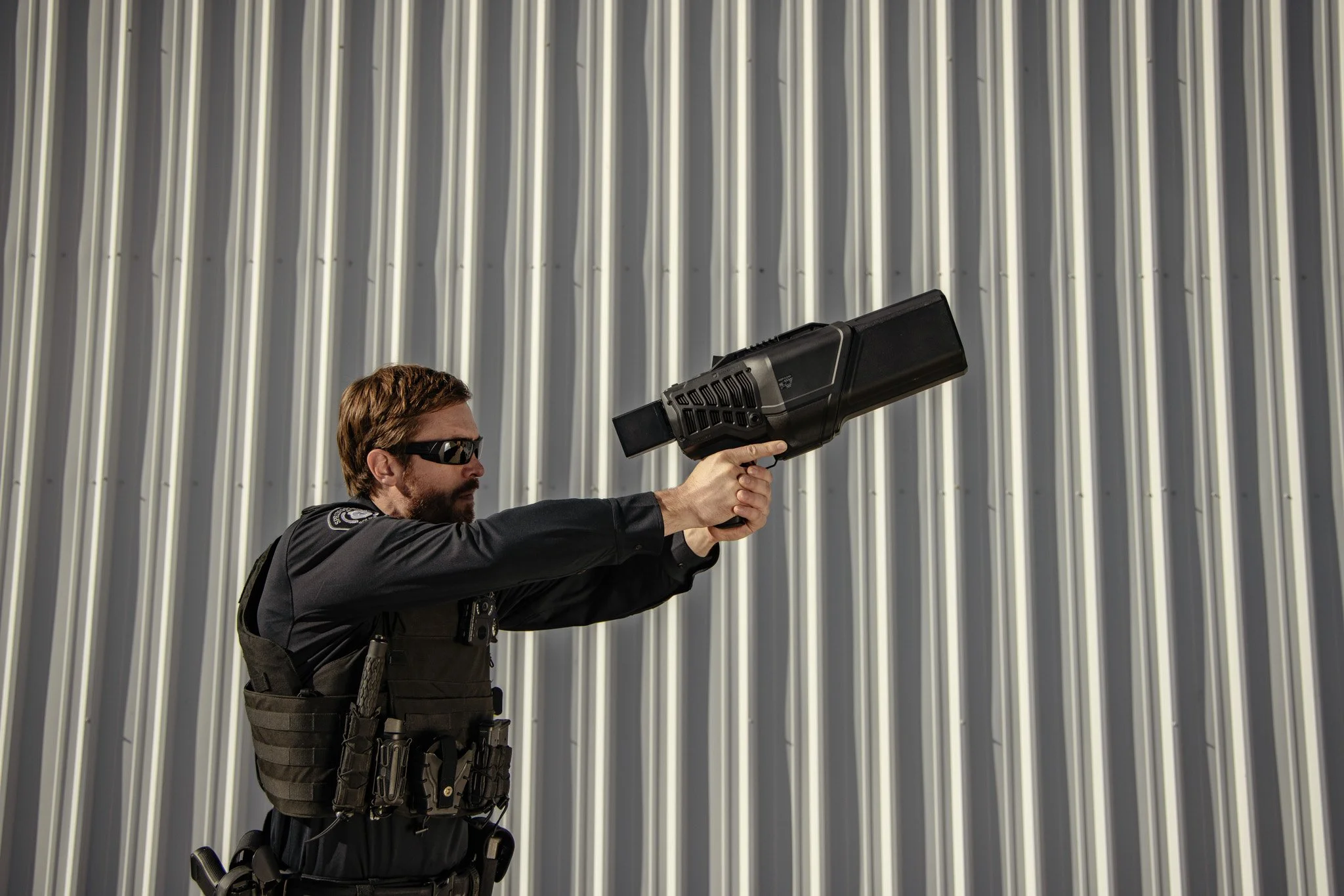
Authorised Response
Include appropriate response capabilities where legally permitted and operationally required. Response capabilities are subject to applicable laws, regulations and organisational authorisation.
Tactical Drone Defense
Mission-Focused Mobility: On-The-Move Drone Defense
Fixed Site Protection for Law Enforcement Facilities
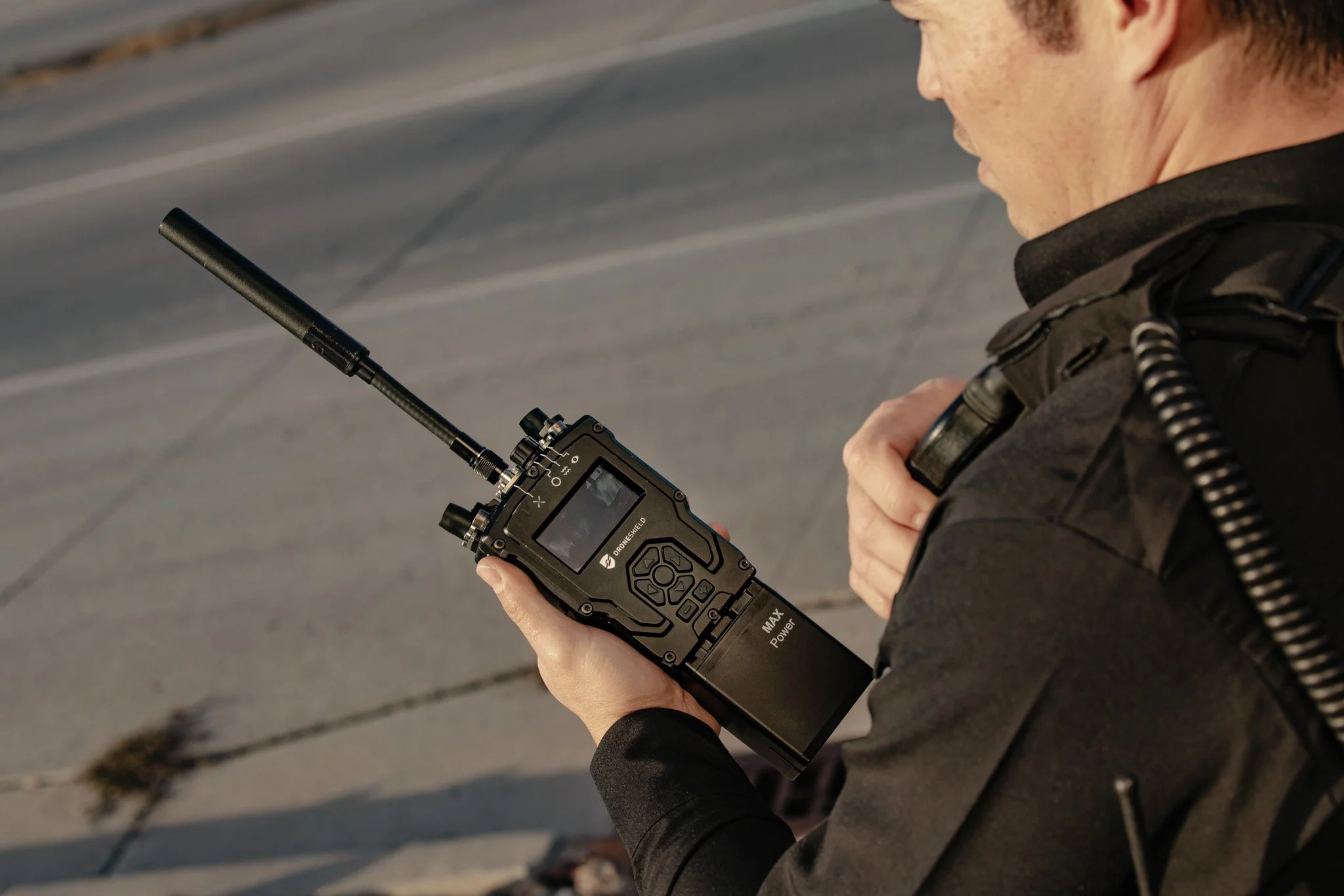
DroneShield’s field-proven technologies are designed for rapid response and built to perform under pressure. Whether protecting critical incidents, safeguarding events, or supporting tactical operations, our handheld solutions empower officers with clear, actionable airspace awareness.

Tools for Tactical Drone Defense
DroneShield’s field-proven technologies are designed for rapid response and built to perform under pressure. Whether protecting critical incidents, safeguarding events, or supporting tactical operations, our handheld solutions empower officers with clear, actionable airspace awareness.
RfPatrol-Mk2
A discreet, body-worn detection tool providing real-time alerts of nearby drone activity. Lightweight, intuitive, and reliable—RfPatrol-Mk2 puts drone detection directly in the hands of officers on patrol.
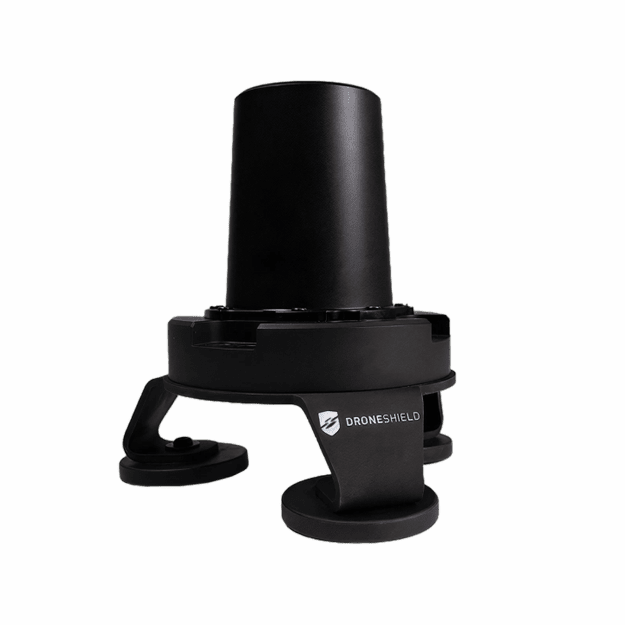
Vehicle Integration & Team Alerts
The RfPatrol Magnetic Antenna Kit enables drone detection while in transit. Connected via ATAK-Civ, alerts can be shared across dispersed teams to maintain situational awareness during mobile operations.
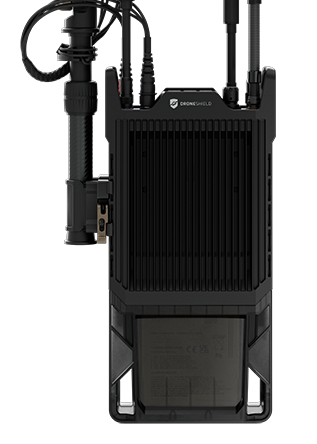
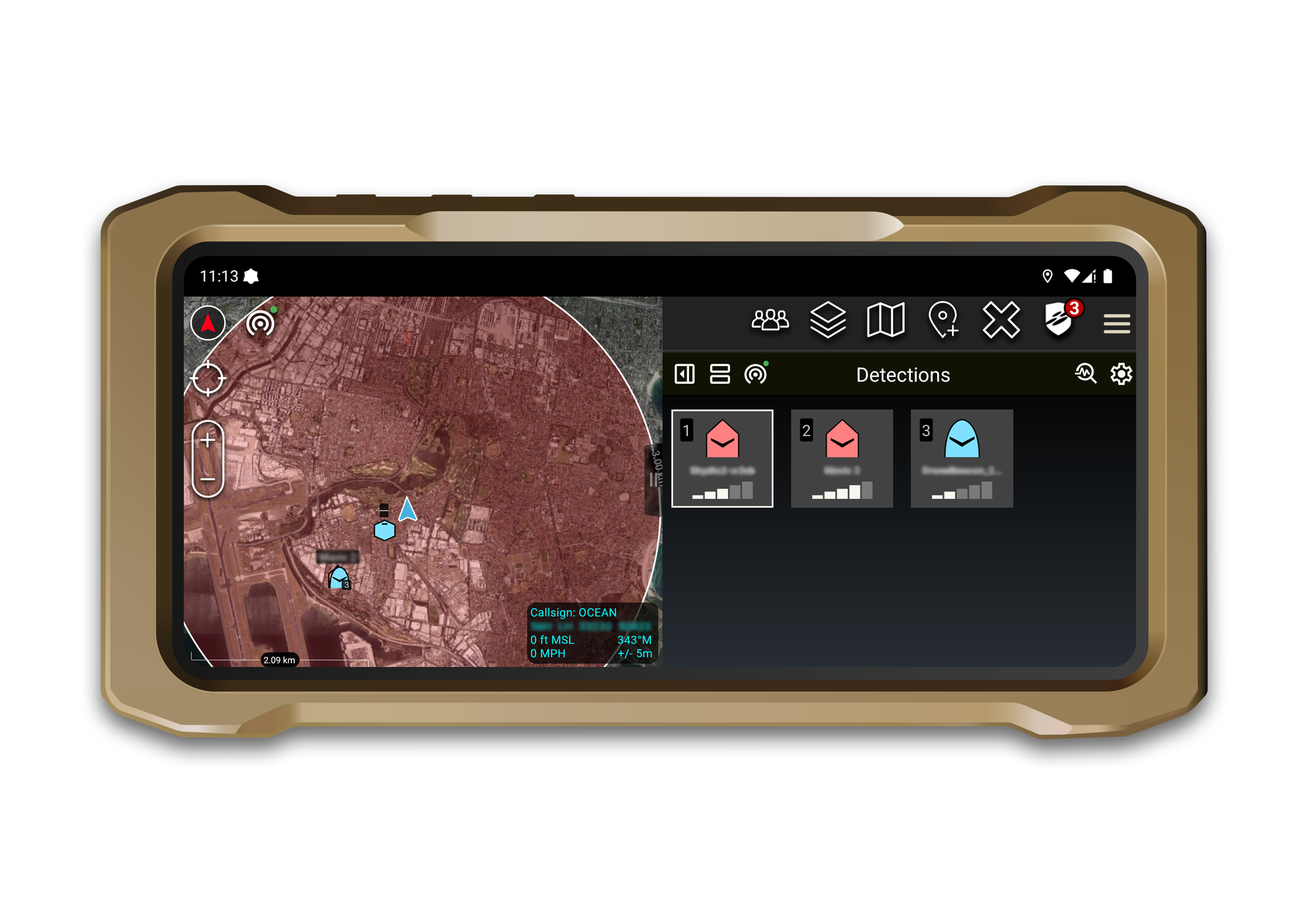
DroneSentry-C2 Tactical
A compact, rugged CUAS command-and-control system for field teams. Deployed at the tactical edge, it provides officers with a complete operational picture for time-sensitive missions.
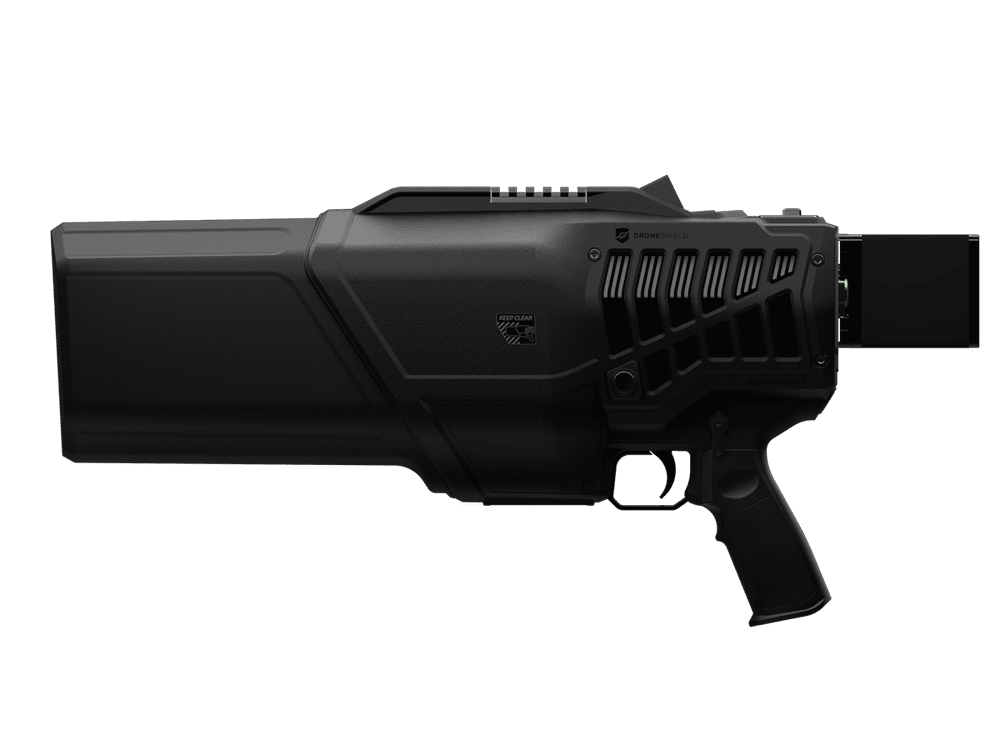
DroneGun Mk4 (where lawful)
The most portable drone mitigation tool available for public safety use. Engineered for fast deployment, the DroneGun Mk4 allows officers to safely disable unauthorized drones with precision—minimizing collateral impact and restoring operational control.
DroneSentry-X Mk2
Mobile, modular, and made for rapid deployment,
DroneSentry-X Mk2 delivers advanced detection
and lawful disruption from vehicles and temporary
command posts. It adapts to the mission—whether
patrolling large public events, escorting VIPs, or
securing urban corridors.
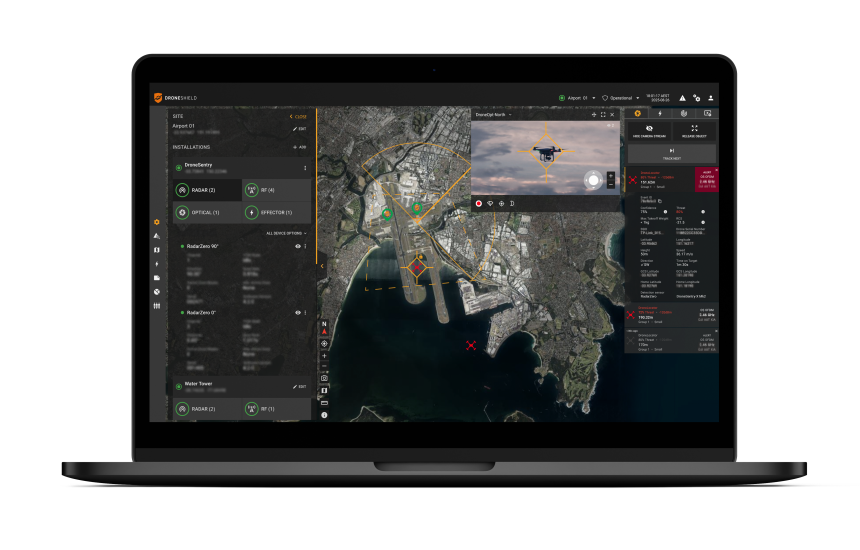
DroneSentry
Protect law enforcement infrastructure, correctional
facilities, and high-risk locations with DroneSentry—a
scalable system combining radar, optical, RF, and AI-
powered analytics. Whether permanently installed or
deployed as a pop-up perimeter, DroneSentry provides 24/7
drone awareness and defense, tailored to your agency’s needs.
Counter-Drone Protection for Correctional Facilities



Fixed Site Protection for Correctional Facilities
Drone incursions can affect more than contraband control.
A single event may trigger searches, lockdowns, evidence collection, external law-enforcement coordination and disruption across the facility. When incidents recur without a clear airspace picture, security teams remain reactive while operators learn where vulnerabilities exist.
Airspace security extends the correctional security posture beyond the physical fence. It helps facilities move from waiting for a drone to appear to understanding the activity developing around them.
Because the modern correctional perimeter is no longer defined only by walls, gates and cameras.
It includes the airspace above them.
Protecting More Than
the Perimeter
Airspace Advantage
Why DroneShield?
DroneShield delivers comprehensive counter-drone technology that integrates seamlessly into prisons and corrections—providing teams with the decisive edge needed to maintain control over the increasingly contested airspace above.
-
Modular technology that grows with evolving federal and operational requirements.
-
Advanced radio frequency sensing, deep learning, and sensor fusion enable rapid, precise identification and tracking of multiple drones simultaneously.
-
Intuitive interfaces and quick deployment ensure frontline personnel can act decisively with minimal training.
-
Solutions built to meet regulatory standards, avoiding unauthorized jamming or spectrum interference.
-
Deployed worldwide to protect government agencies, critical infrastructure, and public safety missions.
-
Regular software updates and dedicated support keep your system ahead of emerging drone threats.