

Counter-drone capability needs to be understood as an ecosystem that’s managed as a whole.
When conceptualizing a deployment, technology is often the first thing that’s discussed, yet maintaining a high-performing solution requires a more concerted approach.
As counter-drone capability matures, the conversation needs to shift from technology implementation toward what end users must do to deploy, operate, and sustain it effectively.
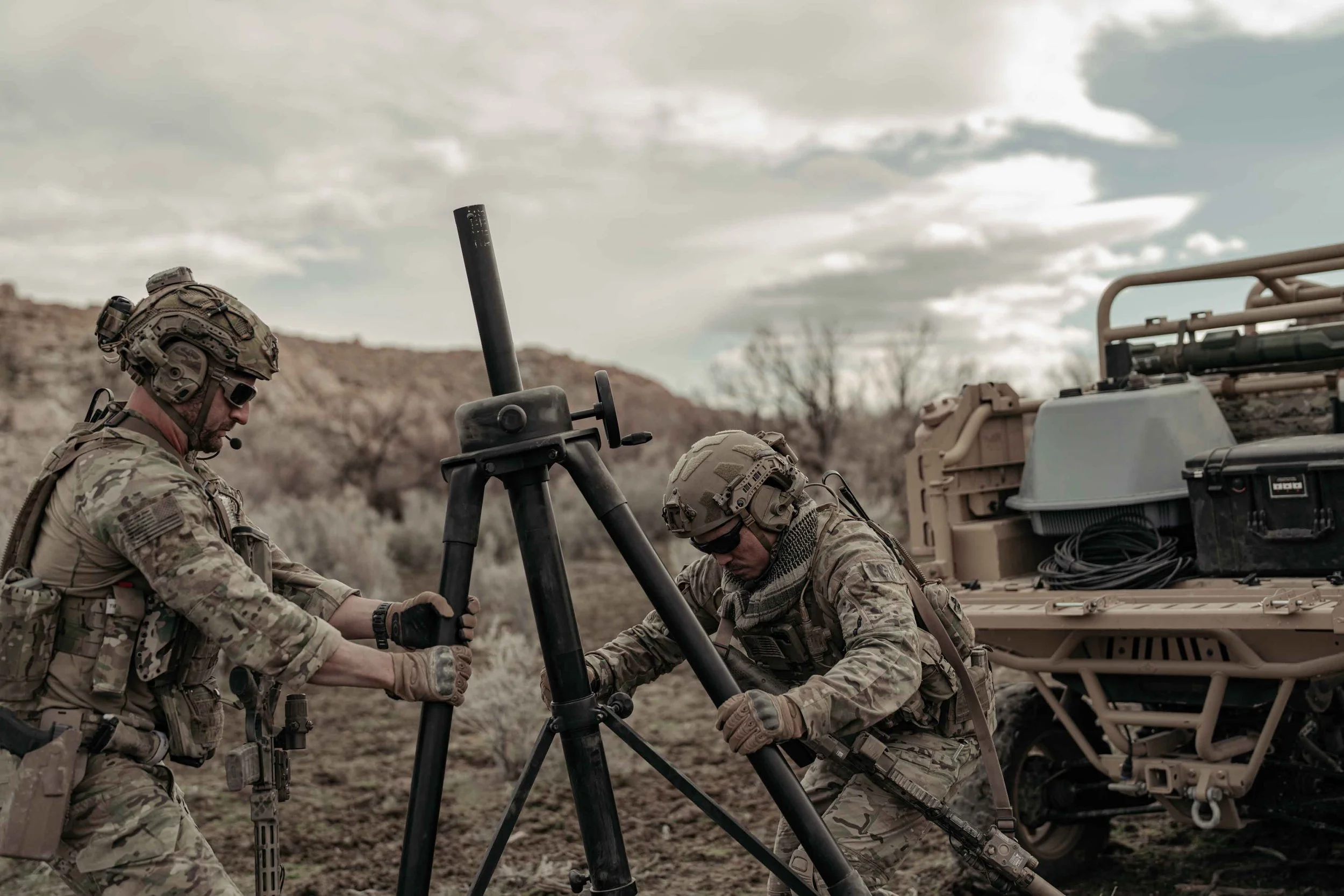
Plan for the Site, Not from the Specification Sheet
A deployment that appears optimal on paper may not be the most effective for a particular location. Effective CUAS (counter-unmanned aircraft system) design is inherently site-specific.
A military airbase in Europe can’t be meaningfully compared with a correctional facility in the U.S. or a port in Australia. Each has different operating conditions, geography, scale, security objectives, and likely drone threats.
Effective planning starts with what the site needs to achieve, then works backward to the right technology, architecture, and operating model.
Work With the Geography
Geography shapes how and where certain solutions will function optimally, and where their effectiveness may be diminished.
RF sensors, radars, and electro-optical/infrared systems are all affected by:
Terrain masking and elevation
Obstructed lines of sight
Weather, visibility, and environmental conditions
Buildings and infrastructure clutter
Understanding these constraints is critical to selecting the right layout, solution architecture to complement the site and achieve reliable coverage.
This may require different technologies to provide layered or overlapping coverage. Planning needs to establish what the combined solution can reliably achieve under the site’s actual operating conditions.
Consider the RF Environment and Airspace
The RF environment and airspace complexity surrounding any given site are highly variable. How a solution is configured and where sensors are placed will be influenced by adjacent equipment, background noise from habitation, and expected traffic from local aircraft and vessels.
These conditions can cause interference, affect sensor performance, and complicate the distinction between routine signal activity and activity that warrants attention. A thorough understanding of the environment is therefore essential to configuring a solution that performs reliably and provides operators with actionable information.
Counter-Drone Should Augment Existing Security
CUAS technology should work in concert with the security measures, teams, and response processes already in place.
In practice, this could mean feeding alerts into an existing security operations center or command-and-control (C2) system, sharing information with response teams, or incorporating drone incidents into established escalation and reporting workflows.
A drone alert has limited value if it doesn’t reach the right people, trigger the right processes, and support timely decision-making.
When scoping a counter-drone deployment, detailed consultation with CUAS specialists and the use of planning tools are necessary foundational steps. The objective is to build a bespoke solution around how the site actually operates.
Deployments Are Shaped by Regional Regulations
Military operators, law enforcement, and civilian security teams across global jurisdictions face varying regulations and legal restrictions that dictate what, where and how CUAS can be deployed.
In many cases, effectors, kinetic mitigation, and forms of RF disruption, are highly restricted.
Before counter-drone technology is considered, consultation with regional authorities or the appropriate military authority may be required to establish allowable devices and uses, which will inform system architecture choices.
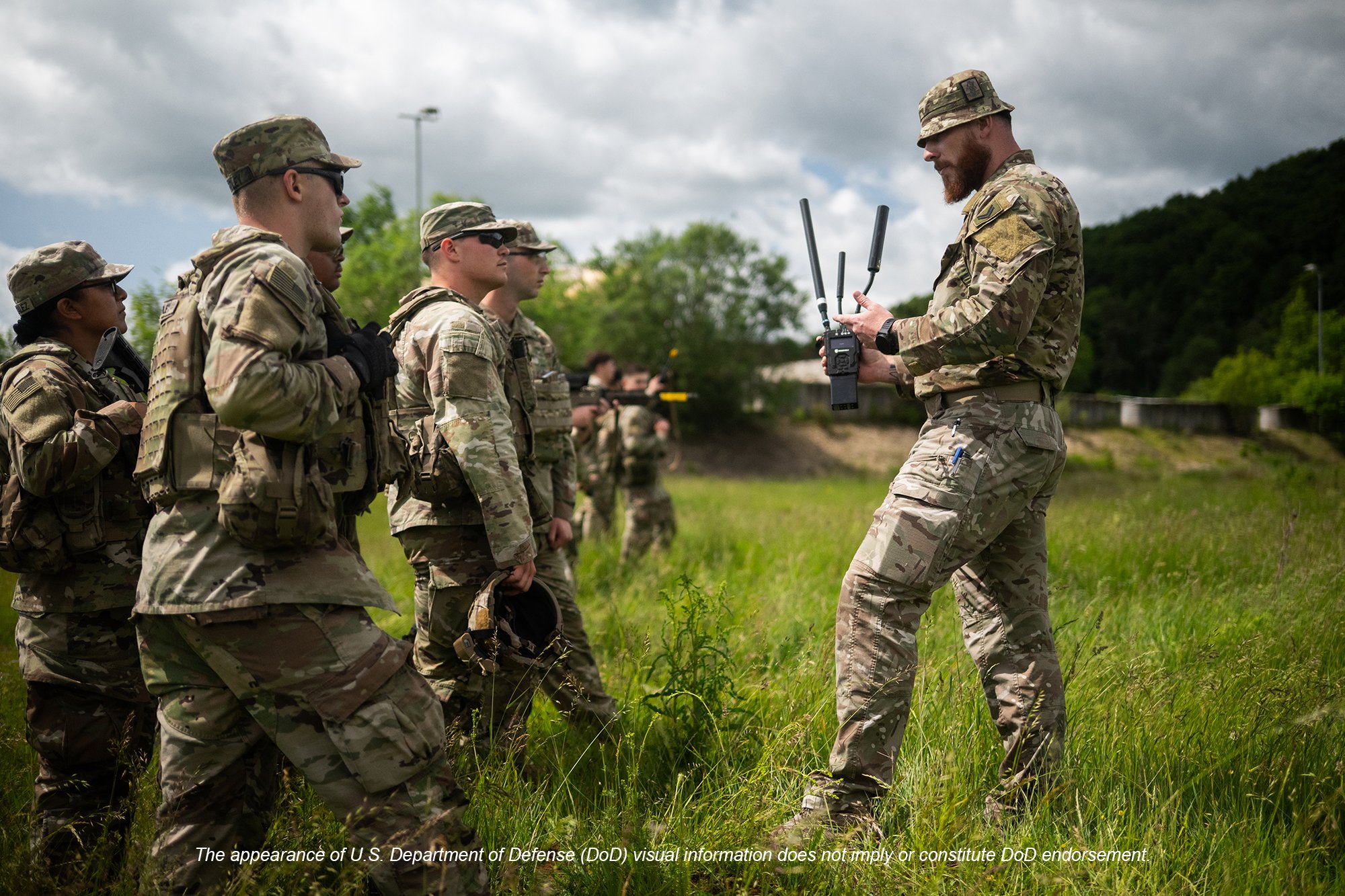
The confidence and skill of a CUAS team determine the effectiveness of the response.
Operator Training Will Determine Effectiveness
Once a deployment is in place, focus needs to shift to ensuring its effectiveness is sustained.
The best technology and most thoughtfully planned deployments require personnel who maintain operational familiarity with all aspects of a counter-drone solution.
Even highly capable technology can be undermined if it isn’t configured, tuned, or utilized correctly. Operators need to understand more than how to navigate the system. They need to comprehend the local threat environment, what the system is telling them, and the processes that follow.
Without this knowledge, incidents can result in missed information, delayed action, or incorrect use of mitigation capabilities. In high-consequence environments, the outcomes can be severe.
Prioritize Incident Confidence
The confidence of a CUAS team can often determine the immediate outcome and subsequent effectiveness of the response.
When an incident occurs, operators may have limited time to interpret information and establish what happens next. They need to be confident in:
What the system is showing them
Which information matters
How to distinguish normal activity from a potential threat
Who needs to be informed
What process and response should follow
Capability in critical moments depends on whether the operator can use it confidently under pressure.
Knowledge and Personnel Aren’t Static
Personnel turnover occurs regularly, requiring new operators to upskill in both the technology and the processes surrounding it. Procedures and learning resources need to be readily accessible, so knowledge isn’t contingent on those present during initial training.
Skill retention also requires ongoing refreshment. When skill sets become stale, effectiveness is at risk of diminishing, even though the underlying technology remains fully capable.
On-demand eLearning can help new and incumbent CUAS operators build and maintain proficiency as personnel, technology and threats change. Combined with regular upskilling and mission-specific scenario training, it keeps learning embedded within the broader CUAS capability rather than treating training as a one-off activity.
Sustaining effectiveness also means ensuring the technology continues to evolve.
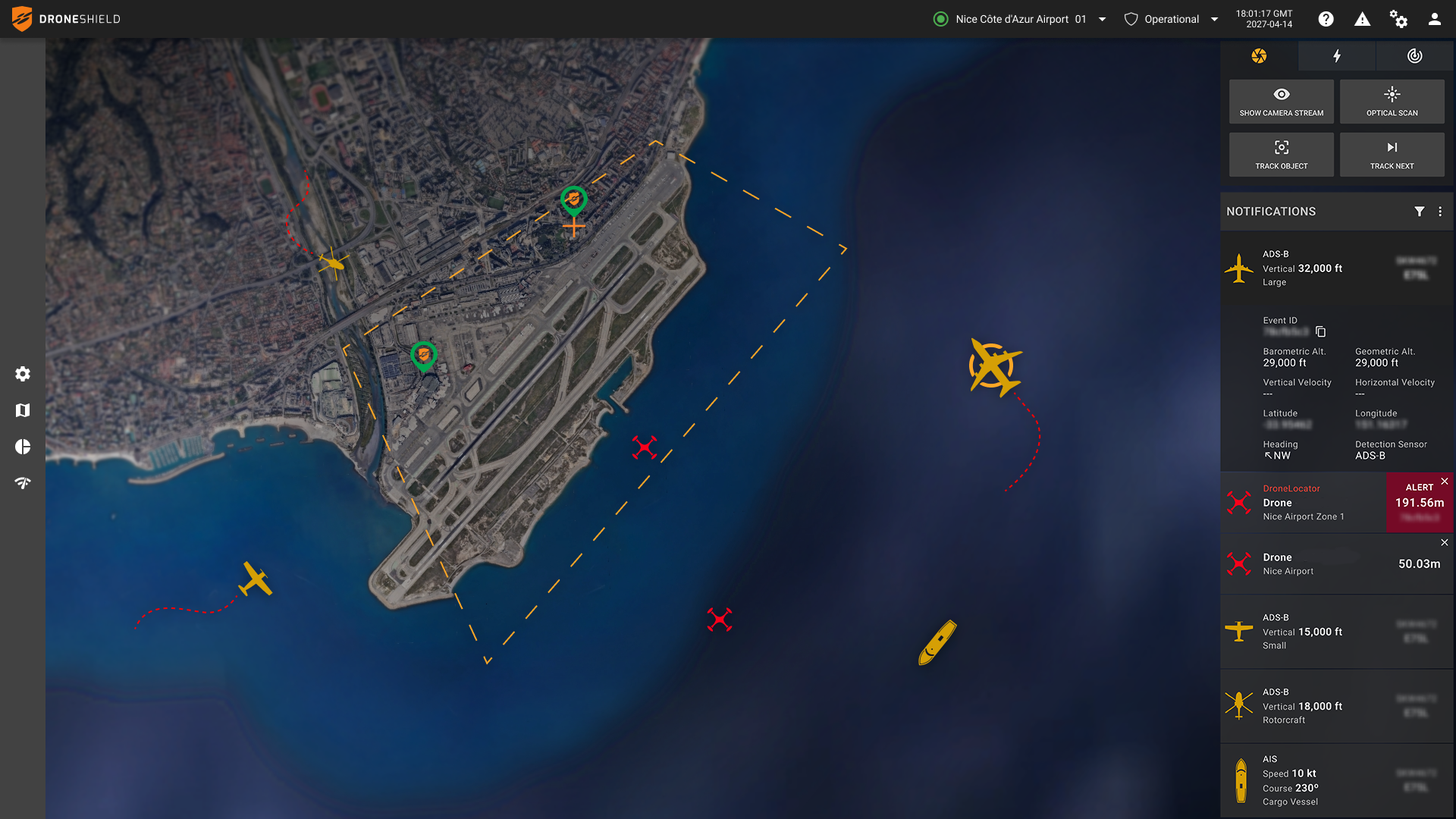
Software updates can improve interfaces, detection capabilities, accuracy, and much more.
Capability Can Improve After Deployment
To respond to the ongoing evolution of the drone threats they’re designed to counter, solutions need to be kept current. Drone behaviors, signal environments, and tactics continue to change, creating the potential for deployed capability to become misaligned with real-world operating conditions.
Software is at the core of maintaining this alignment. Counter-drone hardware typically has a long shelf life, but firmware and software releases can deliver:
Emerging signal intelligence and drone behaviors
RF detection, tracking, and directional accuracy improvements
Refinements to detection logic and classification accuracy
Detection range and track-update improvements
Cybersecurity updates
Interface and operator workflow improvements
New capability releases
Hardware longevity and capability longevity aren’t the same. The ongoing effectiveness of deployed counter-drone technology is increasingly shaped by how well its software remains aligned with the threat and operating environment.
System Ownership Becomes Capability Ownership
The most mature CUAS operators manage an overall capability, not a technology implementation.
What distinguishes an effective counter-drone deployment is the highly tuned ecosystem surrounding the technology. One that’s flexible and consistently updated as threats and operational requirements change. One that’s operated by well-trained personnel who have access to the tools and expertise required to maintain effectiveness.
An overarching CUAS management plan governs counter-drone effectiveness by drawing together planning, training, solution updates, support, and operator readiness.
DroneShield’s Mission Ready Services were developed around this precise requirement, forming a coherent ecosystem around counter-drone technology.